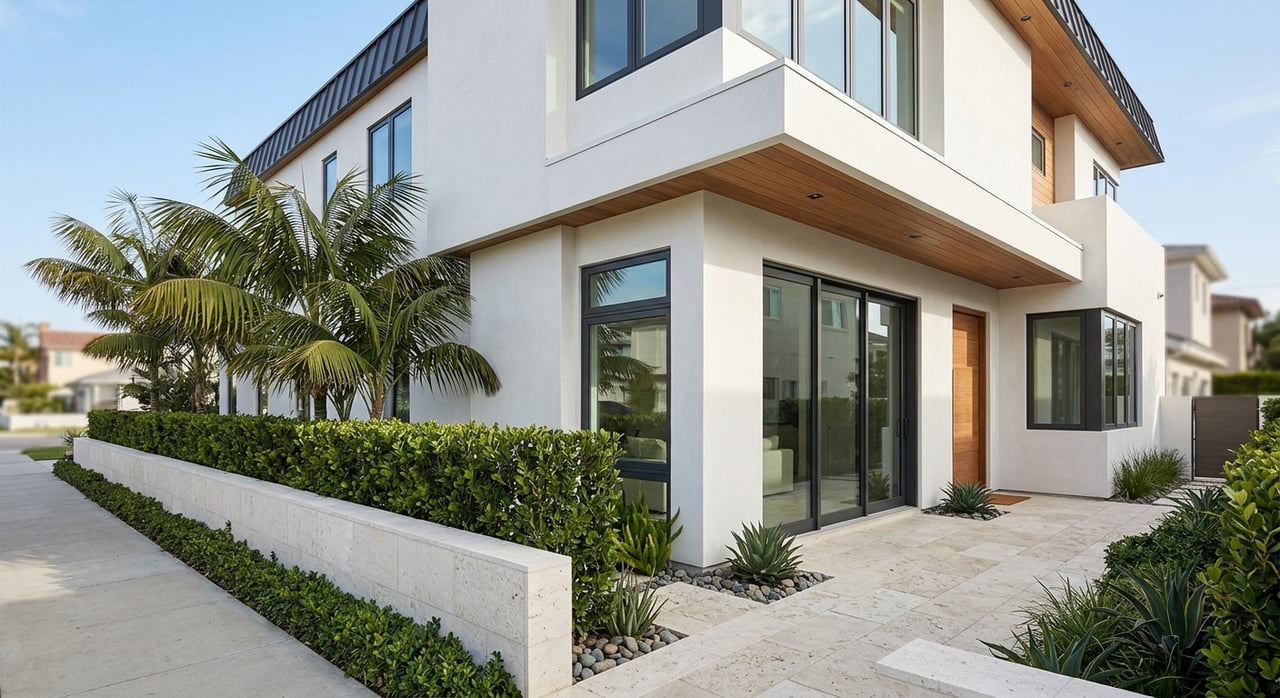
Guide To New Construction And Pre-Construction In Jupiter
July 23, 2026
July 23, 2026
Thinking about buying new construction in Jupiter? It can be exciting to lock in a brand-new home or condo, but it also comes with extra moving parts that you do not face with a resale property. If you want to understand where new development is happening, how pre-construction timelines work, and what to ask before you sign, this guide will help you move forward with more clarity. Let’s dive in.
Jupiter’s new construction activity is not all in one place. Some of it is tied to coastal infill and redevelopment, while other projects are more traditional suburban communities. That matters because the location often shapes the approval process, design rules, and timing.
A major part of Jupiter’s coastal redevelopment is centered around the Community Redevelopment Agency corridor. This area runs from Inlet Village south to Ocean Way and includes places where the town encourages upgrades and redevelopment through overlay rules. Areas such as Center Street and North Alternate A1A, Inlet Village, and Toney Penna may have different review paths and development standards than a more typical neighborhood setting.
Inlet Village is one of the best examples of how local rules can shape a project. The town generally describes it as the area north of Jupiter Beach Road, south of the Jupiter Inlet, east of the Intracoastal oxbow, and west of Dubois Road. In that area, larger projects typically require planned unit development processing and public hearings, and the town says new buildings are generally capped at 3.5 stories.
One of the biggest mistakes buyers make with pre-construction is assuming every announced project is on the same path. In Jupiter, that is not the case. The town tracks major projects by status, including under review, approved, under construction, and on hold.
That status tells you a lot about risk and timing. A project under construction is in a very different stage than one still under review, where changes to approvals, site conditions, or planning requirements could affect the timeline. If a project is on hold, that is an even stronger sign that you need to slow down and ask more questions.
Town records show a mix of project types in the local pipeline. Water Pointe at 1222 S. US Highway 1 is under construction. Symphony of Jupiter, a 20-lot subdivision on Roebuck Road, is also under construction, while Beacon Park with 99 single-family homes and River Plaza with 38 residential units are under review.
Pre-construction usually means you are buying before the home or condo is substantially complete. In some cases, you may be choosing from plans, reviewing finish packages, or reserving a lot before vertical construction is finished. That can give you early access and personalization options, but it can also mean a longer and less predictable road to closing.
The Town of Jupiter states that every development application is unique and moves through a formal review process. Some sites also require extra review related to cultural resources, and in certain cases a certificate is needed before digging can continue. For you as a buyer, the key takeaway is simple: timelines can shift, even when a project looks promising on paper.
That is especially true in Jupiter’s coastal redevelopment areas. Height, setbacks, parking, and hearing requirements can differ from what you might see in a standard subdivision. If you are looking at coastal pre-construction, you should expect a different rule set than you would for a suburban single-family project.
Your deposit is one of the first things to understand before you sign a pre-construction contract. Florida law gives buyers certain protections, but the rules depend on whether you are buying a condominium or a one- or two-family home. That distinction is important.
For residential condominiums that are not yet substantially complete, Florida law requires the developer to escrow up to 10 percent of the sale price. Amounts above that must be held in special escrow, and reservation deposits must also be escrowed. Buyers also generally have a 15-day right to cancel after signing and receiving the required disclosures, plus another 15-day window after receiving materially adverse amendments.
For one- and two-family homes, deposits up to 10 percent must be escrowed unless you waive that right in writing. That does not mean every contract is equally buyer-friendly. It means you should understand exactly how your funds are being handled and what the contract says before moving forward.
A pre-construction contract is more than a price and a closing date. The Florida Bar advises buyers to confirm that the written agreement clearly covers the scope of work, whether pricing is fixed-price or cost-plus, allowances, start and completion dates, change-order procedures, insurance, and warranty provisions. Those details can have a real impact on your final cost and your experience.
It is also wise to verify that the contractor is licensed and that permits are being pulled. These are practical checkpoints that can help you avoid surprises later. Many construction contracts are drafted to protect the builder or contractor, so careful review matters.
Here are a few smart questions to ask before you commit:
Jupiter’s current new construction mix shows two common patterns. One is boutique or coastal-oriented product with strong amenities. The other is larger-format single-family homes with personalization options and upgraded finish packages.
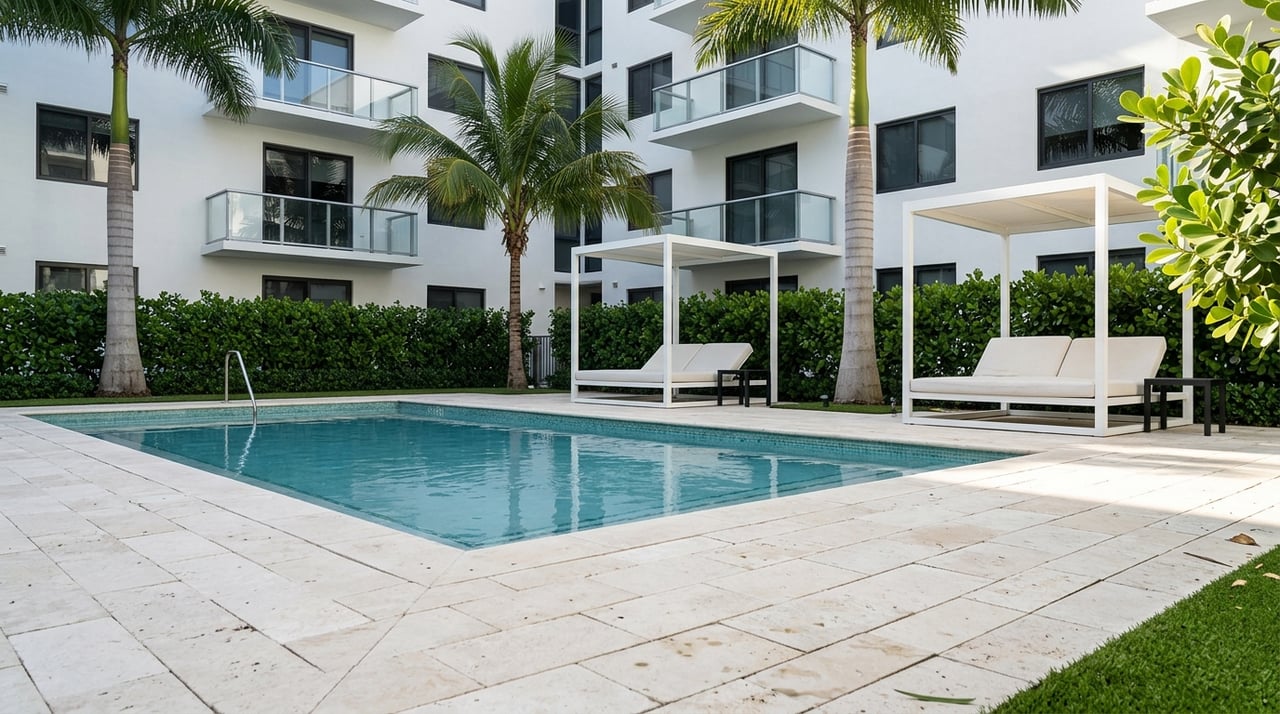
Water Pointe is an example of townhome-style condominium living near the Intracoastal Waterway and Riverwalk. Project marketing describes 35 homes with three bedrooms, 2.5 bathrooms, and two-car garages. Community amenities include a resort-style pool, sundeck, private cabanas, a covered pool pavilion with a BBQ station, and a fitness center.
Symphony at Jupiter shows the single-family side of the market. The community includes 20 homes on Roebuck Road, and builder materials say buyers can personalize their homes. Model pages show floor plans ranging from 3,900 total square feet in the Vail model to 5,526 total square feet in the Tahoe model.
Builder materials for Symphony also list features such as impact windows and doors, LED lighting, a covered paver lanai, a security system, landscape packages, quartz slab countertops, and premium kitchen packages with Sub-Zero and Wolf appliances and Italian or European cabinetry. At the same time, the builder notes that prices, availability, and specifications can change without notice, and some homesites may cost extra. That is a reminder that the headline price may not tell the whole story.
When you compare new construction to a resale home in Jupiter, focus on what is really included. A builder may advertise an attractive starting price, but the final number can move higher once you add homesite premiums, design selections, upgrades, and approved changes. That is common in pre-construction communities.
Ask for a written list of standard features, allowances, optional upgrades, and any lot-specific costs. If the home has personalization options, ask when those selections must be made and what happens if material or specification changes occur. A clean side-by-side comparison can help you judge value more accurately.
This is especially important in Jupiter, where newer projects often come with strong base packages. High-quality standard features can be a real benefit, but only if you understand where the extras begin. Clear paperwork is your best friend here.
Not every Jupiter new construction opportunity should be evaluated the same way. Coastal infill projects may appeal to buyers who want proximity to the water, boutique settings, or a more connected redevelopment area. These projects can also come with more layered zoning and approval considerations.
Suburban projects may feel more straightforward from a planning standpoint, especially when they follow a familiar subdivision format. That does not automatically make one better than the other. It simply means your questions should match the type of project you are considering.
If you are buying along the coastal corridor, pay close attention to the project’s approval path and local rules. If you are buying in a subdivision, focus more closely on lot premiums, builder standards, and delivery timing. In both cases, local insight can help you separate marketing from the actual development stage.
A strong pre-construction strategy starts with good information. Before you fall in love with renderings or model finishes, confirm the project’s current town status and ask for the most current builder materials. Then review the contract terms, deposit structure, included features, and possible variables that could affect timing or cost.
You do not need to memorize every zoning term or contract clause on your own. You do need a clear process and someone who understands Jupiter’s different product types, from coastal condos and townhome-style communities to larger luxury single-family projects. The goal is to help you make a smart decision that fits how you want to live, or what you want your investment to do.
If you are exploring new construction or pre-construction in Jupiter, working with a local guide can help you compare opportunities, spot important differences between projects, and stay focused on the details that matter most. When you are ready to talk through your options, connect with George M Richetelli.
Stay up to date on the latest real estate trends.
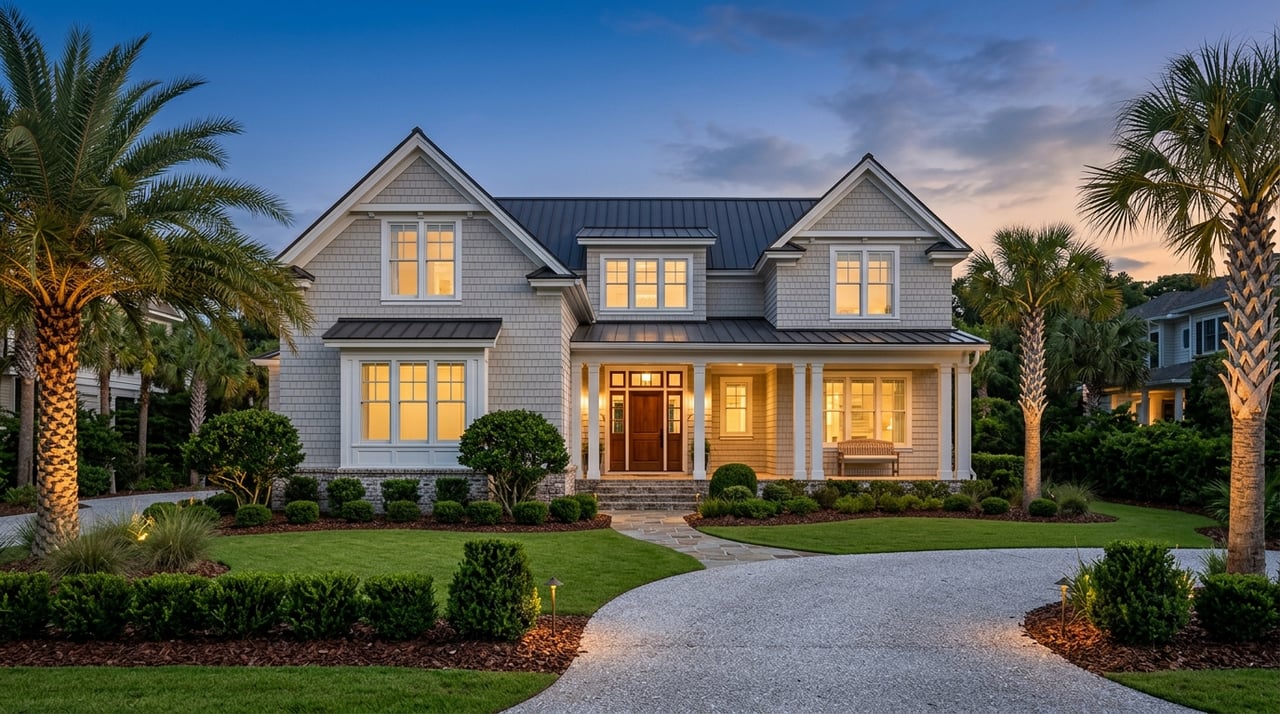
Real estate done with purpose—rooted in experience, empathy, and authentic connection. Every client is treated like a neighbor, with thoughtful guidance and local insight shaping every step toward home.
TRUSTED PROPERTY ADVISORS

The Richetelli Group
5370 Donald Ross Rd Palm Beach Gardens FL 33418