
Jupiter Vacation Condos Guide for Smart Buyers
April 23, 2026
April 23, 2026
If you picture your Florida getaway as a lock-and-leave condo near the beach, Jupiter deserves a close look. This coastal town gives you easy access to shoreline, marinas, waterfront trails, and the kind of low-maintenance ownership many second-home buyers want. The key is knowing that when you buy a vacation condo here, you are not just buying four walls, you are also buying into a building, an association, and a set of rules. Let’s dive in.
Jupiter offers a mix of beach access, boating culture, and everyday convenience that fits the second-home lifestyle well. The town has about 3.4 miles of beaches, plus the Riverwalk corridor along the Intracoastal Waterway and a Waterway Trail that links the Loxahatchee River, Intracoastal, and Jupiter Inlet, according to the Town of Jupiter.
For you as a buyer, that means location should be evaluated beyond the address alone. A condo near beach crossovers, marina access, public parking, or waterfront recreation may support the kind of seasonal use you actually want. Jupiter’s public beach system also includes guarded areas, ADA-accessible crossovers, dog-friendly stretches, and nearby public spaces like Jupiter Beach Park and Carlin Park, which can add practical value to your ownership experience.
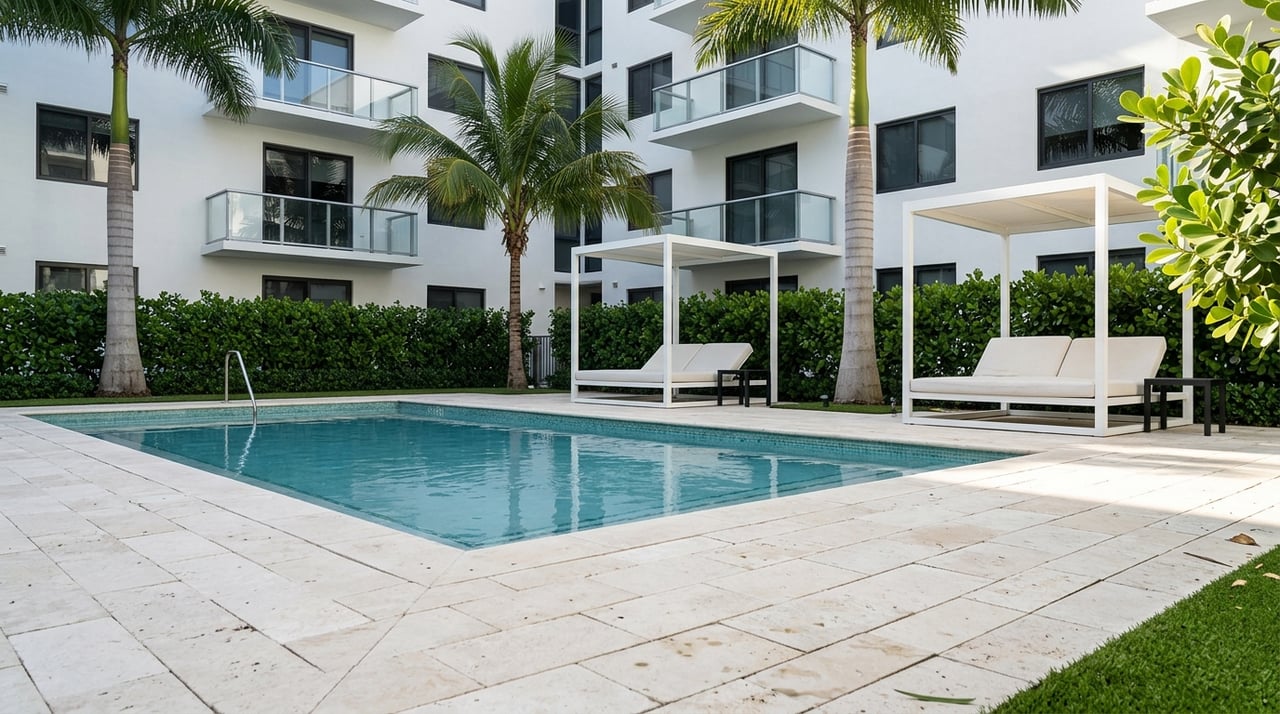
A vacation condo purchase is as much about the building as it is about the interior finishes. Shared spaces like the pool, parking, fitness areas, storage, security features, and any dock or beach access are typically part of the project’s common elements, and those features are maintained through common expenses, as outlined in Fannie Mae’s HOA guidance.
That is why two condos with similar square footage can feel very different financially. One building may offer more amenities but carry higher dues, while another may keep fees lower by offering fewer shared features. When you compare properties in Jupiter, it helps to look at the full building package, not just the unit photos.
If you may want to rent the condo seasonally when you are not using it, review rental restrictions before you fall in love with a property. In Florida, rental policy is building-specific, and changes that prohibit rentals, change rental duration, or limit rental frequency generally apply to owners who consented and to later buyers after the amendment takes effect under Florida Statute 718.110.
That makes the condo documents essential, not optional. You will want to confirm the declaration, bylaws, and current rules before making an offer if occasional rental income is part of your plan. In Jupiter, where some buyers want a true second home and others want flexibility, this step can shape both your financing path and your building choice.
Florida gives resale condo buyers access to an important due diligence package. Under Florida Statute 718.503, buyers are entitled to receive the declaration, articles of incorporation, bylaws, rules, the most recent annual financial statement and budget, the FAQ sheet, and, when applicable, milestone inspection summaries, structural integrity reserve study information, and turnover inspection reports.
These records help you evaluate more than just monthly dues. They can reveal reserve funding levels, inspection history, and whether the building may face future major expenses. In a coastal condo market like Jupiter, that level of review is especially important.
Your document review period is not always the same in every condo transaction. Standard resale contracts generally provide a 7-day voidability period after you receive the required documents, while current Florida law can provide a 15-day voidability period when certain milestone inspection, turnover, or structural integrity reserve study disclosures are included in the package under Florida law.
This is one reason buyers should request documents as early as possible. The sooner you and your professionals can review the paperwork, the better positioned you are to make a confident decision.
A vacation condo’s true monthly cost usually includes several layers. Beyond principal and interest, you may be paying property taxes, HOA dues, insurance, and possibly flood coverage depending on the property and lender requirements.
Insurance is a major part of the equation. Florida consumer guidance explains that condo unit owners typically carry an HO-6 policy, which primarily covers personal property and liability and includes loss-assessment coverage. At the same time, the association should maintain a master policy for common elements and residential structures, consistent with Fannie Mae’s master property insurance requirements.
Flood coverage is a separate conversation. FEMA guidance referenced in Florida consumer resources makes clear that standard homeowners insurance does not cover flood damage, so you should verify whether a separate flood policy may be needed for the unit or required by your lender.
If you are buying a Jupiter condo as a second home, plan your numbers carefully. Florida’s homestead exemption rules apply to a property that is your permanent residence, which means a vacation condo usually does not qualify.
That can affect your annual carrying costs more than some buyers expect. It is better to underwrite the purchase without assuming tax benefits that are tied to primary residency.
One of the biggest questions in any Florida condo purchase is the association’s financial health. Under current Florida law, residential condo associations with buildings three habitable stories or higher must complete a structural integrity reserve study at least every 10 years, covering items such as the roof, structure, fire protection, plumbing, electrical systems, waterproofing and exterior painting, and windows and exterior doors, as summarized in Chapter 718.
That matters in Jupiter because coastal conditions can increase maintenance demands. Florida law also allows local enforcement agencies to require milestone inspections at 25 years instead of 30 for some buildings near salt water, which is especially relevant in near-shore locations.
Reserve funding rules are also stricter than they were in the past. For many associations subject to the study requirements, budgets adopted on or after December 31, 2024 generally cannot simply waive or underfund reserves for the covered structural items. In practical terms, you should expect buyers, lenders, and associations to take reserve funding much more seriously.
If you want a clearer picture of a condo building’s condition, ask to review the association records available under Florida Statute 718.111. Associations are required to maintain budgets, financial reports, reserve studies, inspection reports, building permits, contracts, and other official records.
Those records can help you spot patterns before closing. For example, repeated repair work, large pending projects, or ongoing litigation can influence your comfort level with the purchase and your future ownership costs.
Not every condo that looks like a perfect vacation property will qualify for second-home financing. Fannie Mae says a second home must be occupied by the borrower for part of the year, suitable for year-round occupancy, under the borrower’s exclusive control, and not operated as rental property, a timeshare, or under an arrangement that gives a management firm control over occupancy under its occupancy-type guidance.
This is where buyers sometimes run into surprises. A building with hotel-like operations, daily or short-term rentals, or mandatory rental pooling may create financing problems even if the unit itself looks ideal. Fannie Mae identifies these as common condo project ineligibility issues in its Condo Status Finder overview.
Second-home financing can also be more conservative than financing for a primary residence. Freddie Mac’s standard guide allows up to 90% LTV for second-home purchase loans, and Fannie Mae may require additional reserves based on the borrower’s number of financed properties. In plain terms, expect lenders to look carefully at your down payment, liquidity, and the project itself.
Jupiter-area buyers often weigh the appeal of new construction against the clarity of resale. Pre-construction can offer new systems, modern amenities, and a fresh start, but it also comes with more timeline and delivery risk.
Florida law requires developers in many new condo projects to provide a prospectus or offering circular before entering into an enforceable contract, and if the condo is not substantially complete, up to 10% of the sale price must be escrowed under Chapter 718. Buyers may also have cancellation rights in certain situations involving materially adverse amendments, so document review and escrow handling matter.
Resale condos offer a different advantage. You can often evaluate real operating history, actual HOA budgets, known rental rules, and the current physical condition of the building. The tradeoff is that older coastal buildings may already be in the milestone-inspection and reserve-study cycle, which can translate to higher fees, deferred maintenance concerns, or special assessments.
If you are serious about buying a vacation condo in Jupiter, keep your process focused on both lifestyle and risk management.
In a market like Jupiter, the best vacation condo is not always the one with the flashiest finishes. It is the one that fits how you plan to use it, carries costs you are comfortable with, and sits in a building with rules and financials that support your goals.
That is where experienced local guidance can save you time and help you avoid expensive surprises. From coastal condo comparisons to reviewing the practical details that affect financing and ownership, working with someone who understands the Jupiter market can make your search much more efficient. If you are ready to explore your options, connect with George M Richetelli for a personalized consultation.
Stay up to date on the latest real estate trends.




Real estate done with purpose—rooted in experience, empathy, and authentic connection. Every client is treated like a neighbor, with thoughtful guidance and local insight shaping every step toward home.
TRUSTED PROPERTY ADVISORS

The Richetelli Group
5370 Donald Ross Rd Palm Beach Gardens FL 33418