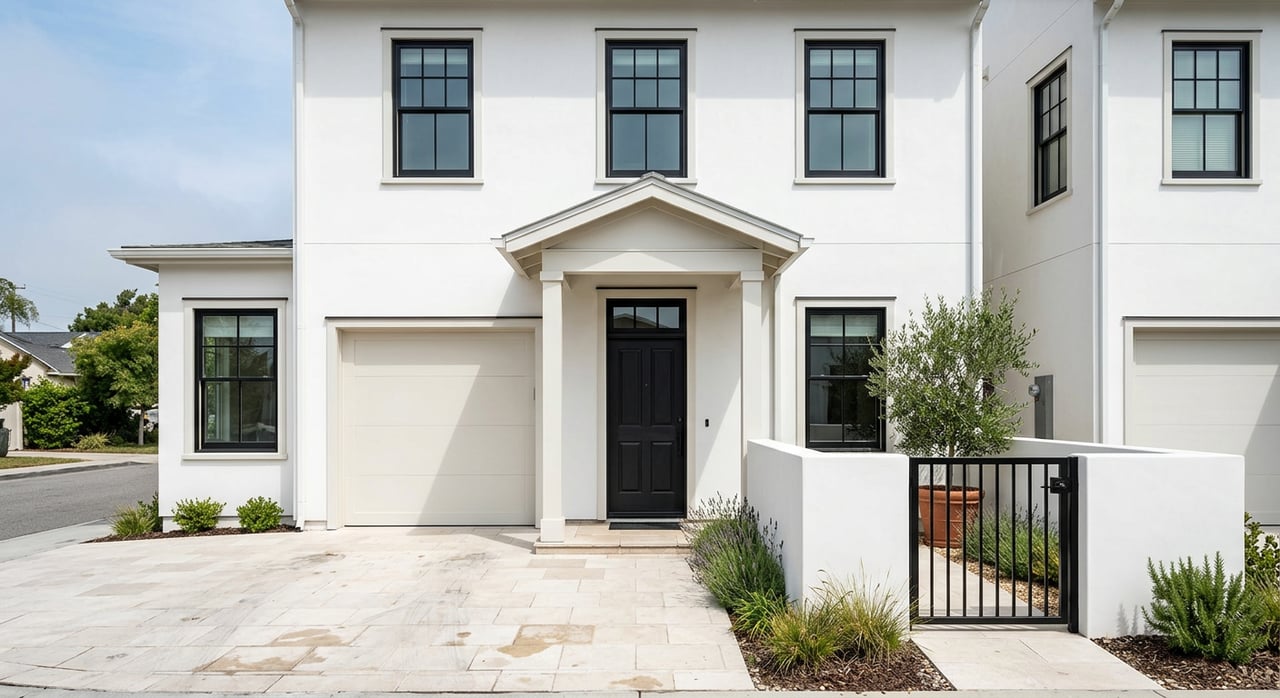
Palm Beach Gardens Single-Family Vs Townhome Living
March 5, 2026
March 5, 2026
Trying to decide between a single-family home and a townhome in Palm Beach Gardens? You are not alone. Many buyers here want an easy coastal lifestyle, but also care about space, privacy, and long-term costs. In this guide, you will learn how each option stacks up on price, maintenance, amenities, and daily living so you can choose what fits you best. Let’s dive in.
As of January 2026, major market trackers show a range for citywide values. Zillow’s Home Value Index sits near about $659,000, while Redfin reports a median sale price around $820,000 for the same period. The spread exists because each source uses different data windows and inputs. For a real decision, compare neighborhood-level numbers and recent comps with your agent.
For property types, attached townhomes in Palm Beach Gardens commonly range from roughly $300,000 to $800,000 depending on age, size, and location, with some luxury coach-home products higher. Many single-family neighborhoods run from about $500,000 to $1.5 million, while golf, waterfront, and estate pockets often start above $1 million and go up from there. On the rental side, long-term leases for both townhomes and single-family homes often fall between about $2,500 and $6,500+ per month based on size and luxury level.
With a typical single-family home, you usually own the structure and the lot. You are responsible for the roof, exterior, and yard. The HOA, if there is one, maintains shared areas such as private roads, gatehouses, and community amenities.
In Palm Beach Gardens, some townhomes are fee-simple and look like a house on a small lot. Others are legally condominiums, which changes who pays for what. Florida law distinguishes association types and defines many duties. If it is a condominium-structured townhome, the association commonly maintains exteriors, roofs, and common systems, and owners focus on interiors. You should confirm the legal form and review the documents before you offer. For general HOA duties, you can review Florida’s homeowners’ association statute in Chapter 720.
Palm Beach Gardens shows a wide range of HOA assessments. Many attached units in resort-style communities run in the low-to-mid hundreds per month, while amenity-heavy master-planned communities can be higher. In country-club neighborhoods, HOA dues are often separate from club costs. Some clubs have mandatory memberships with initiation fees and annual dues, which meaningfully change your monthly carrying costs. Review membership details for your specific property type, and use the official club page, such as the Frenchman’s Reserve community overview, for current program information.
In Florida, hurricane wind coverage often has a percentage deductible, and standard homeowners policies do not include flood. Get quotes early for both homeowners and flood policies and check the parcel’s flood zone. Premiums can vary by insurer and coastal proximity. You can read more about state insurance frameworks in Florida’s insurance statutes under Chapter 627.
Single-family homes give you more private yard space, no shared walls, and greater control over exterior changes. That can be important if you want a fenced area, a play set, or room for pets. Townhomes often provide a small yard or patio with lower upkeep but share at least one wall and have rules for exterior modifications.
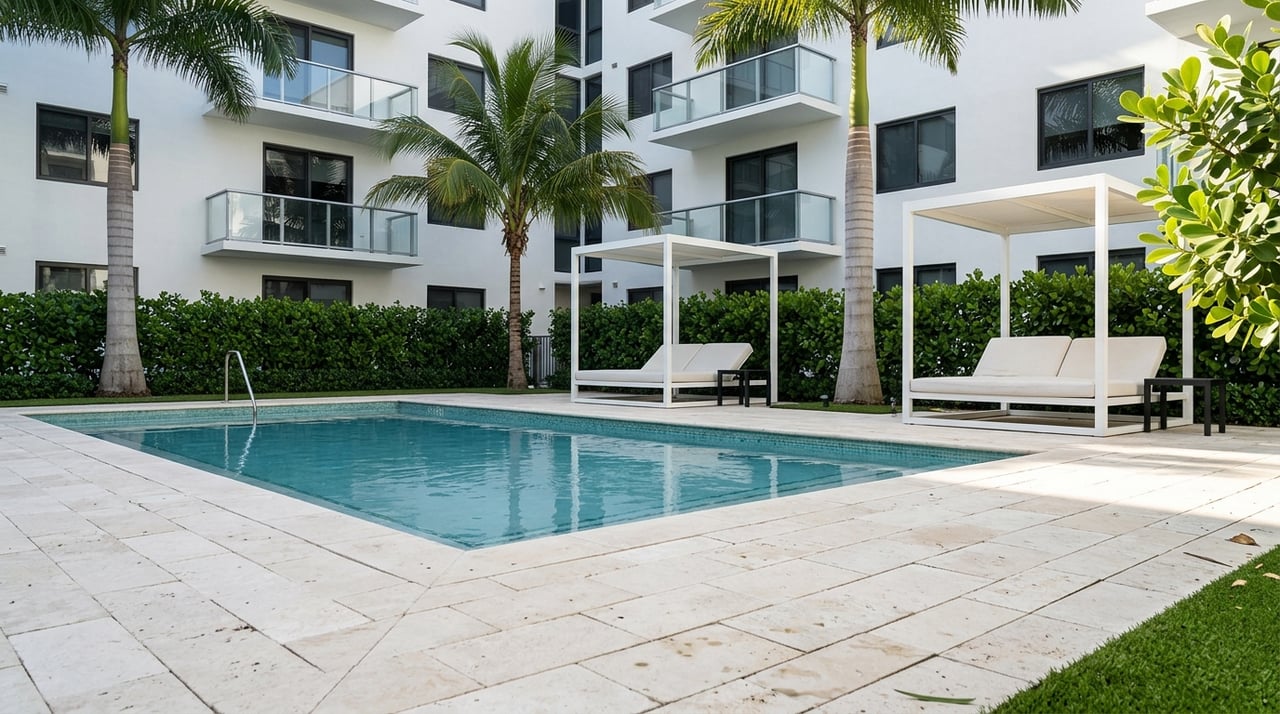
Townhome and condo communities in Palm Beach Gardens often include resort pools, fitness centers, and clubhouses maintained by the association. In master-planned neighborhoods, you can expect on-site lifestyle programming and walkable amenities. This setup reduces your day-to-day maintenance, though it raises monthly assessments.
Townhomes can have more neighbor noise and tighter rules on paint, patios, and landscaping. Single-family homes tend to offer more flexibility, though your HOA may still have architectural guidelines. If customization is a priority, review the community’s ARC rules and approved materials list before you buy.
If you prefer a seasonal or travel-heavy lifestyle, many attached-home communities offer true lock-and-leave convenience. The association typically handles exterior care and landscaping, which is helpful if you are away for long stretches. Single-family homes can provide this too if the HOA includes lawn care or you hire vendors, but it is rarely as hands-off as a condo-structured townhome.
A large, established community with a mix of condos, townhomes, and single-family homes. Expect strong amenity access, from golf options to resort-style pools, and a range of HOA costs that reflect the product type. Attached units often show monthly assessments in the low-to-mid hundreds, while larger or newer sections may differ.
A master-planned, amenity-rich setting with townhomes and single-family homes. Buyers love the resort-style clubhouse, lakefront paths, and social calendar. HOA fees tend to be mid-range to higher for attached homes because the association maintains extensive amenities and common areas.
A centrally located townhome community with a walkable feel to dining and retail hubs. Pricing often spans the mid-range for attached homes, influenced by unit size, finishes, and views. It appeals to owners who want space without a large yard.
These luxury, gated golf communities focus on single-family estates and select attached products in certain enclaves. Expect pricing in the seven figures for many lots and separate country-club costs that can include initiation and annual dues. Verify whether club membership is mandatory or optional for your address using official club resources like Frenchman’s Reserve.
If a private yard and room to spread out rank high, a single-family home is often the fit. That said, larger townhomes in master-planned communities can work well when you want lower maintenance but still need bedrooms and nearby amenities. Always verify school attendance boundaries with the School District of Palm Beach County; for example, Marsh Pointe Elementary serves portions of Palm Beach Gardens, and you can find neutral, current details from the district at Marsh Pointe Elementary’s site.
If you want a simpler setup and walkable access to amenities, an attached home or condo-style townhome delivers convenience with less exterior upkeep. Look for elevator access if mobility is a consideration and ask about on-site staff and security. Review community calendars, guest policies, and parking rules to make sure daily life fits your plans.
Long-term rental demand is healthy across Palm Beach Gardens, with typical rents for townhomes and single-family homes often in the $2,500 to $6,500+ range depending on size and luxury level. Before you buy, review HOA lease rules, any rental caps, and minimum lease terms. For short-term rentals, Palm Beach County requires Tourist Development Tax registration and a Business Tax Receipt for transient rentals, and associations may have stricter limits. You can review county requirements on the Palm Beach County Tourist Development Tax page.
Use this list before you write an offer in Palm Beach Gardens:
If you want maximum privacy, a yard, and flexibility, a single-family home usually wins. If you value low-maintenance living, pooled amenities, and a lock-and-leave setup, a townhome or condo-structured townhome may fit better. In Palm Beach Gardens, both options can deliver a great lifestyle, but the right choice depends on your daily routine, appetite for maintenance, and budget for HOA or club costs. When you are ready to compare addresses side by side and run the true monthly numbers, schedule a consultation with George M Richetelli.
Stay up to date on the latest real estate trends.
Real estate done with purpose—rooted in experience, empathy, and authentic connection. Every client is treated like a neighbor, with thoughtful guidance and local insight shaping every step toward home.
TRUSTED PROPERTY ADVISORS
The Richetelli Group
5370 Donald Ross Rd Palm Beach Gardens FL 33418