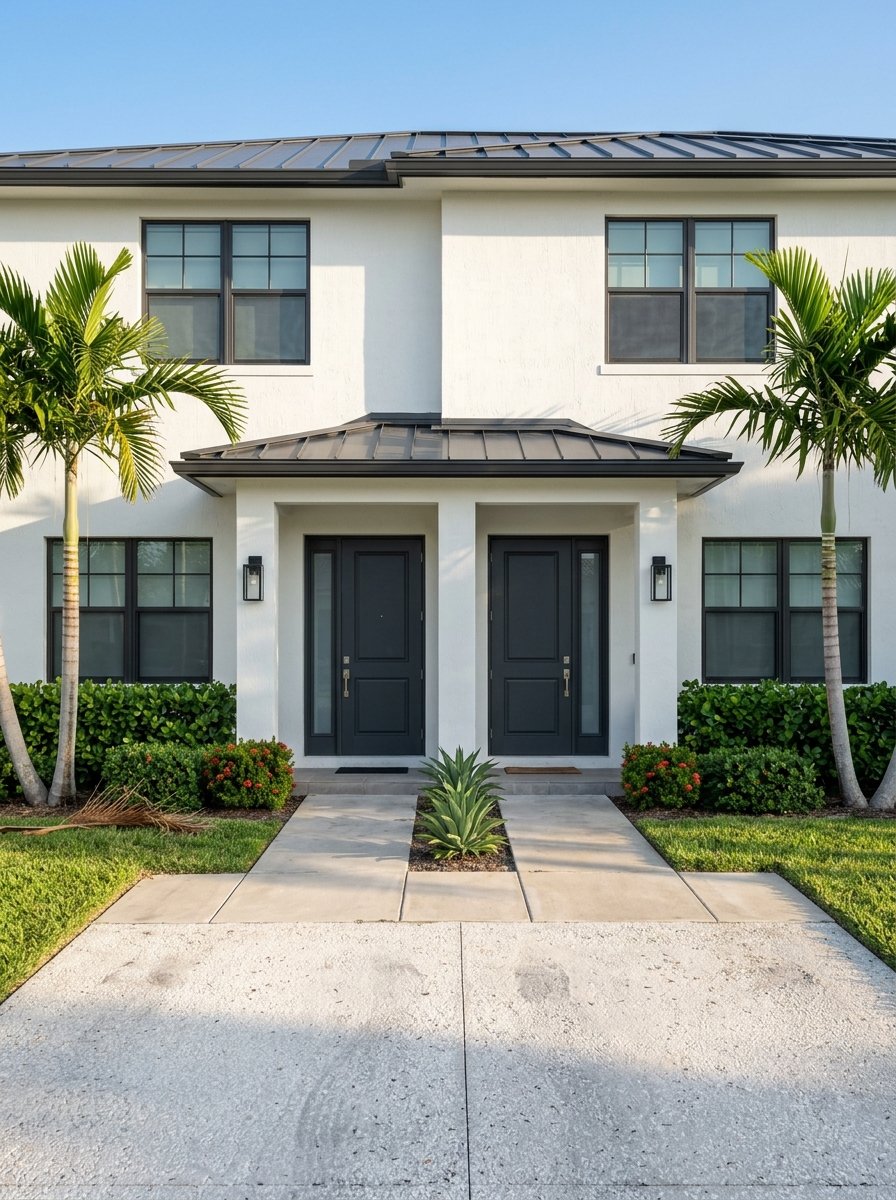
Palm Beach Gardens Multi Family Investing Insights
May 14, 2026
May 14, 2026
If you are looking for rental property in Palm Beach Gardens, duplexes and small multi-family can look appealing for a simple reason: they offer more than one income stream in a market with above-county rent levels. At the same time, this is not a market where you can assume abundant inventory, easy zoning, or plug-and-play numbers. You need local context, sharp underwriting, and careful due diligence to make a smart move. Let’s dive in.
Palm Beach Gardens is a higher-income submarket inside a much larger Palm Beach County housing base. The city had an estimated 63,284 residents in 2024, 27,294 households, a 73.0% owner-occupied housing rate, median household income of $106,947, and median gross rent of $2,417.
That matters because Palm Beach Gardens sits above the county on both income and rent. Palm Beach County’s median household income was $83,581, and its median gross rent was $1,916. For an investor, that suggests stronger rent potential than the county average, but it also points to a more selective market where small multi-family opportunities may be less common.
A high owner-occupancy rate can also mean the rental share of the local housing stock is smaller. In practical terms, you may need to spend more time sourcing duplexes, triplexes, and quadplexes rather than expecting broad availability across every neighborhood or corridor.
Palm Beach Gardens does allow duplexes and other attached housing types in the right land use categories, but the city’s framework is structured. The Future Land Use Element says Residential High includes attached and detached single-family homes, duplexes, townhomes, and apartments.
The city’s Workforce Housing page says Residential High zoning allows up to 10 dwelling units per acre. That tells you small multi-family here is generally a regulated, lower-density product, not an anything-goes apartment environment.
This distinction matters when you are comparing Palm Beach Gardens to other South Florida markets. If your plan depends on adding units, reconfiguring a site, or pursuing redevelopment, the local rules and density limits become part of the investment case from day one.
Palm Beach Gardens also has a transit-oriented development district centered near the planned light rail station by PGA Boulevard. The city lists several larger approved or completed multi-family projects there, including buildings and phases with 396 units, 362 units, 620 units, and 280 apartments.
That concentration is important. It suggests the city’s most intense multi-family growth is happening in targeted corridor projects rather than spreading evenly across the entire city.
For you, that means two things. First, existing duplexes and small multi-family properties may occupy a different niche than large new apartment communities. Second, rent and resale performance can depend heavily on micro-location, nearby development patterns, and the property’s exact unit mix.
Palm Beach Gardens also supports a Multifamily Improvement Grant for eligible condo, apartment, and quad/townhome communities. The program covers items like roof repair, parking lot improvements, exterior painting, landscaping, and ADA upgrades.
The city says eligible communities were selected based on Census data and community age. That suggests there is an older multi-family segment in the local landscape, which may interest investors looking for value-add opportunities rather than only turnkey assets.
Rent potential is one of the biggest reasons investors look at Palm Beach Gardens. The city’s median gross rent of $2,417 is a useful local anchor, and it sits above the countywide median.
Still, median rent is only a starting point. It does not replace unit-level comparable rents, and it does not tell you what a specific duplex in a specific ZIP code can actually achieve.
HUD’s FY2025 West Palm Beach-Boca Raton metro rent limits list a 2-bedroom benchmark of $2,187 and a 3-bedroom benchmark of $2,856. Those figures help frame the market, but Palm Beach Gardens becomes much more interesting when you look at small-area differences.
HUD’s FY2025 small-area figures show meaningful variation across Palm Beach Gardens ZIP codes:
For duplexes, triplexes, and quadplexes, those gaps matter. A property in one ZIP code may support a very different rent roll than a similar-looking property elsewhere in the city.
This is why local underwriting should stay tight. You want to compare the subject property against both city-level rent context and address-specific rent comps rather than relying on broad metro averages.
Palm Beach Gardens can reward disciplined investors, but the margin for error gets smaller when supply is limited and expenses are rising. A solid underwriting approach should account for both income potential and the hidden costs that show up after closing.
Start with rent assumptions that are grounded in the property’s exact unit type, condition, and ZIP code. Then pressure-test your numbers against realistic vacancy, repairs, insurance, utilities, and property tax changes.
Here are a few local checkpoints worth building into your analysis:
One of the biggest mistakes first-time investors make in Florida is assuming the seller’s current tax bill will carry forward. That can create a major gap in your first-year expenses.
Palm Beach County’s Property Appraiser says Florida property is assessed as of January 1. The 10% non-homestead cap applies automatically to non-homestead properties such as rental properties, second homes, vacant land, and commercial property, but a property purchased after a sale is reassessed at full market value in the following year.
In simple terms, your tax bill may rise materially after purchase. If you are evaluating a duplex or quadplex in Palm Beach Gardens, recalculate taxes using the likely post-sale value instead of treating the seller’s bill as your future operating cost.
Operating costs are easy to underestimate when you focus too heavily on gross rent. In Palm Beach Gardens, the city lists Florida Power & Light for electric service, Seacoast Utility Authority for water and sewer, and Waste Management for solid waste.
Those recurring providers should be part of your operating pro forma. If the property is older or if utility responsibility is split in a way that favors tenants today, you should still model the possibility of cost changes over time.
For smaller multi-family investments, modest monthly expense differences can affect cash flow more than many buyers expect. That is especially true if you are using leverage or planning renovations soon after closing.
In Palm Beach Gardens, due diligence is not just about the building itself. It is also about permits, zoning, compliance, flood exposure, and whether your business plan lines up with city rules.
The city’s Building Division handles building and permitting activity, and its Development Compliance & Zoning Division reviews plans for consistency with local development regulations before permits and certificates of occupancy are issued. The city’s property maintenance standards also emphasize exterior condition, roof, windows, doors, pool barriers, visible address numbers, and approved parking surfaces.
Before you close, make sure you check for:
Flood risk deserves special attention in South Florida, and Palm Beach Gardens is no exception. The city says new FEMA flood maps became effective on December 20, 2024, and Palm Beach County says flood-zone information should always be confirmed with an official flood-zone determination before purchase or construction.
Why does this matter so much? Flood-zone status can affect insurance costs, lending terms, and the day-to-day economics of owning a rental property.
Florida law also requires a flood-risk disclosure to prospective tenants of residential real property for leases of one year or longer. If you are buying your first duplex or small multi-family property, that makes lease compliance and property management processes especially important.
Florida’s Residential Landlord and Tenant Act requires landlords to maintain premises and follow statutory security-deposit rules. For longer residential leases, flood disclosure is also part of the required lease paperwork.
That does not mean small multi-family is too complicated. It means you should treat compliance as part of the investment strategy, especially if you are an out-of-area buyer, a first-time landlord, or someone planning to scale over time.
This is also where local support can add real value. A property that looks attractive on paper can become far less attractive if the permit history, flood profile, or lease administration is not handled correctly.
Palm Beach Gardens can be a fit for value-add investors, especially where older multi-family communities or smaller assets need exterior upgrades or operational cleanup. The city’s improvement grant categories, including roofs, parking lots, paint, landscaping, and ADA items, offer a useful picture of the kinds of issues that may show up in the field.
That does not mean every older property is a bargain. It means the upside may come from buying well, confirming compliance early, and planning realistic renovation budgets instead of chasing aggressive rent assumptions.
If you are considering duplexes or quadplexes here, the strongest opportunities are often the ones where location, condition, and achievable rent align without requiring overly optimistic projections. In Palm Beach Gardens, patience and precision usually outperform guesswork.
If you want to invest in duplexes and multi-family in Palm Beach Gardens, think of this market as selective rather than simple. The city offers above-county rent levels, higher household income, and clear appeal for investors who want stable local demand, but success depends on understanding zoning, micro-location, taxes, flood exposure, and compliance.
That is where local experience matters. When you have someone who understands Northern Palm Beach County, knows how to spot value-add potential, and can help you weigh both lifestyle and investment dynamics, you make better decisions from the start.
If you are exploring a duplex, quadplex, or small multi-family opportunity in Palm Beach Gardens, George M Richetelli can help you evaluate the numbers, the location, and the due diligence so you can move forward with clarity.
Stay up to date on the latest real estate trends.
Real estate done with purpose—rooted in experience, empathy, and authentic connection. Every client is treated like a neighbor, with thoughtful guidance and local insight shaping every step toward home.
TRUSTED PROPERTY ADVISORS

The Richetelli Group
5370 Donald Ross Rd Palm Beach Gardens FL 33418