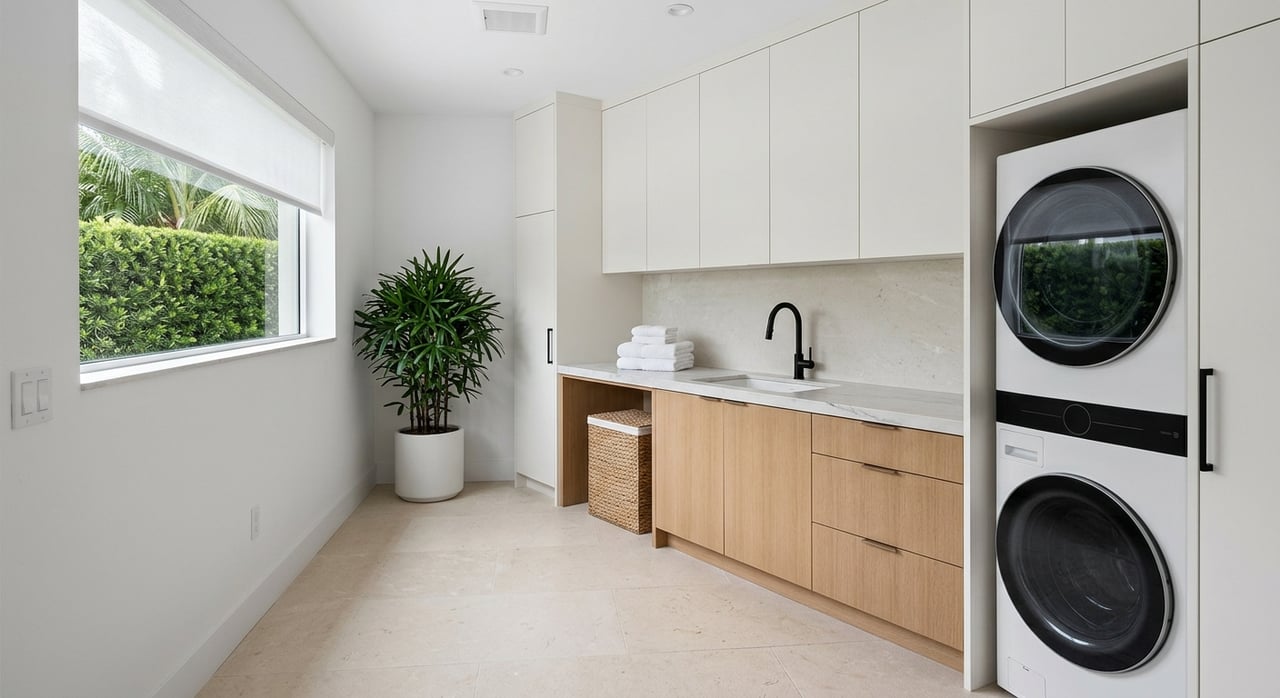
Planning A Seasonal Rental Strategy In Jupiter
June 25, 2026
June 25, 2026
If you own, plan to buy, or hope to lease out a property in Jupiter, a seasonal rental can look like an easy win. Winter demand, beach access, and the area’s coastal appeal all support strong interest, but a smart strategy takes more than posting a listing and waiting for inquiries. You need the right lease length, a clear tax plan, and an operating system that fits Jupiter’s local rules and coastal conditions. Let’s dive in.
Jupiter is a coastal town in Palm Beach County with about 3.4 miles of beaches, and the town notes that those beaches are enjoyed by residents and tourists alike. The town also reports a larger seasonal population during the winter months. That combination helps explain why seasonal rentals remain a popular option for both second-home owners and investors.
For you as an owner, that demand can create real opportunity. For you as a buyer, it can shape what kind of property makes sense if seasonal use is part of your long-term plan. In Jupiter, the best rental strategy usually starts with matching the property to the type of stay you want to offer.
The first major decision is how long your rental periods will be. In Jupiter, occupancy intended for less than one month is defined by town code as transient occupancy. Florida lodging rules also treat many sub-30-day rentals as transient public lodging establishments when they are rented more than three times in a calendar year for periods of less than 30 consecutive days, or advertised that way.
That matters because lease length affects how the property is classified and how it may be managed. It also affects whether the standard residential landlord-tenant framework applies in the same way. In short, your lease term is not just a marketing choice. It is a compliance choice.
Most Jupiter owners should think about seasonal rentals in three separate buckets:
For many owners, a 30-day-plus seasonal lease can be easier to manage than very short stays. It may reduce turnover pressure and simplify guest expectations, while still aligning with winter demand in Jupiter.
A seasonal rental strategy can break down quickly if you market the property first and figure out taxes later. In Palm Beach County, qualifying short-term rentals can trigger multiple layers of tax. According to the research provided, that current stack includes Florida sales tax at 6 percent, Palm Beach County discretionary sales surtax at 0.5 percent effective January 1, 2026, and Palm Beach County tourist development tax at 6 percent on qualifying rentals.
Palm Beach County’s tourist development tax applies to rentals of six months or less. Florida guidance also says local transient rental taxes apply to accommodations rented for six months or less, including single-family homes, condominiums, and vacation houses. That means many seasonal rentals in Jupiter can still be taxable even when they are not set up as weekend or weekly stays.
If you are buying with seasonal rental income in mind, projected numbers should reflect the correct tax treatment from day one. If you already own the property, your pricing and lease structure should be built around the right tax bucket before the first guest arrives. This is one of the simplest ways to avoid margin surprises later.
Before you list a property for seasonal rent, confirm that the lease plan works under both local rules and community documents. This is especially important in Jupiter condos, townhome communities, and HOA-controlled neighborhoods. Association documents are not a formality. They are part of the real operating framework for the property.
Florida statutes make the recorded declaration, bylaws, and association documents the governing framework for condo and HOA community use. If the documents limit lease length, cap the number of rentals, or add approval steps, those rules need to shape your strategy from the start. A property can look perfect on paper but still be the wrong fit for your intended rental model.
Before advertising, confirm:
This early review helps you avoid wasted time and protects your pricing, marketing, and income expectations.
A seasonal rental in Jupiter needs more than fresh linens and good photos. Because this is a coastal market, your operating plan should reflect local beach rules, weather, and property care needs. That is especially true for homes near the beach or in waterfront settings.
Jupiter’s beach guidance says sea turtle nesting season runs from March 1 through October 31. The town also notes that beachfront lighting can disorient nesting adults and hatchlings. In addition, Palm Beach County beaches do not allow fires.
For many owners, the guest packet should include more than check-in details. It should also explain local beach rules, any lighting expectations that affect beachfront or near-beach properties, parking guidance, and storm-readiness basics. Clear communication helps prevent complaints and protects the property.
Jupiter also publishes a hurricane and flood guide, which reinforces why storm preparation should be part of your rental operations. If you are creating a seasonal strategy, plan for coastal weather the same way you plan for occupancy and cleaning.
A strong seasonal rental strategy depends on consistent turnover standards. In Jupiter, that means thinking beyond surface cleaning. The town’s code compliance information highlights issues such as zoning violations, occupancy overcrowding, minimum housing standards, and general property maintenance.
Jupiter’s housing standards code says dwellings must be clean, sanitary, habitable, and free from infestation. It also sets minimum bedroom square-footage standards. Those standards matter for guest comfort, but they also matter for reducing operational risk.
Your seasonal rental system should include:
This is where hands-on planning can make a real difference. A polished rental experience is not just about presentation. It is about repeatability.
Even when the stay is seasonal, the paperwork matters. Florida landlord-tenant rules require the landlord to disclose a name and address for notices before tenancy begins. Security deposits and advance rent also need to be handled under the statute.
Florida law also requires landlords to maintain the premises in compliance with applicable building, housing, and health codes. If your strategy ever shifts from seasonal use to a one-year-or-longer lease, Florida also requires a flood-risk disclosure to prospective tenants. That means your lease plan should be designed with enough structure to support both current use and any future shift in rental strategy.
Not every Jupiter property fits every rental plan. Some homes work better for monthly winter stays. Others may make more sense as long-term rentals because of community rules, layout, maintenance demands, or carrying costs. The right plan depends on the property itself, not just the market opportunity.
For example, a coastal condo may appeal to seasonal renters looking for low-maintenance living near the water, but association rules could shape how often it can be leased. A single-family home may offer more flexibility, but it can also require a more detailed turnover and storm-prep system. When you look at a property through both a lifestyle and operating lens, the strategy becomes much clearer.
If you are buying in Jupiter with seasonal rental goals, do your planning before closing, not after. Confirm lease restrictions, estimate tax exposure, and think through turnover logistics early. This can help you choose between a condo, single-family home, or small multi-unit property based on real use, not assumptions.
If you already own in Jupiter, this is a good time to review whether your current setup still matches your goals. A small change in lease length, guest communication, or turnover systems can improve the experience for both you and your renters.
A seasonal rental strategy works best when it is built around the property, the rules, and the local market. If you want help evaluating which Jupiter properties make sense for seasonal use, or how to position an existing property more effectively, George M Richetelli can help you plan with local insight and a practical, service-first approach.
Stay up to date on the latest real estate trends.



Real estate done with purpose—rooted in experience, empathy, and authentic connection. Every client is treated like a neighbor, with thoughtful guidance and local insight shaping every step toward home.
TRUSTED PROPERTY ADVISORS

The Richetelli Group
5370 Donald Ross Rd Palm Beach Gardens FL 33418