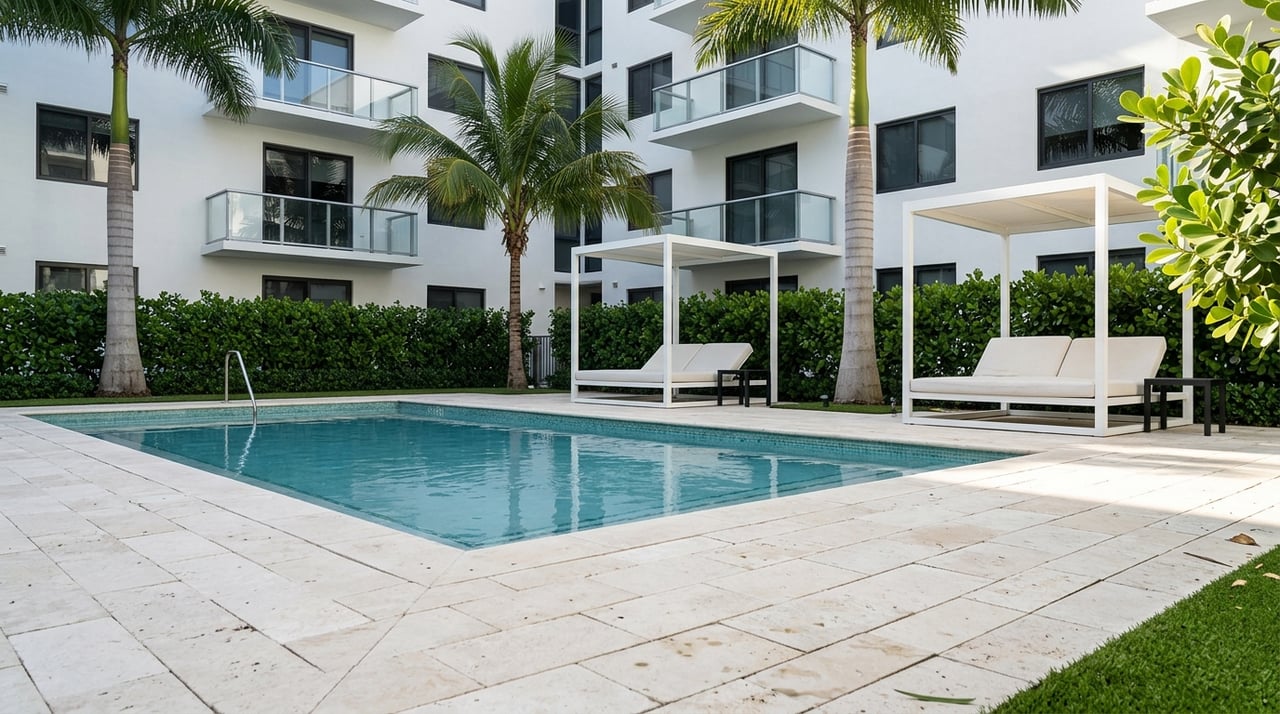
Tequesta Condos For Seasonal Rental Investment
June 18, 2026
June 18, 2026
Thinking about buying a Tequesta condo for seasonal rental income? It can be a smart play, but this is not a market where any condo will do. Tequesta’s appeal is more residential and lifestyle-driven than high-volume tourist-driven, so the best opportunities usually come from matching the right unit with the right lease strategy and the right condo rules. If you want to invest with fewer surprises, here’s what to know before you buy. Let’s dive in.
Tequesta is a small coastal village with a stable, owner-occupied feel. The U.S. Census Bureau estimates about 6,285 residents in 2024, with 80.2% owner occupancy, a median household income of $98,271, and 31.1% of residents age 65 and over. That points to a market shaped more by full-time residents, second-home owners, and retirees than by heavy tourist turnover.
For investors, that matters. A seasonal rental in Tequesta is usually a better fit for guests who want a comfortable, low-maintenance home base for part of the winter rather than a fast-moving nightly stay. In practice, that often means furnished condos that work well for repeat visitors and shorter seasonal stays.
Palm Beach County visitor data also supports that winter pattern. In a county visitor survey, December, February, and March made up 45% of reported visits. The same survey found that 59% were regular visitors, 33% stayed seven nights or more, and 68% stayed three nights or more.
The visitor mix is useful too. Married couples made up 37% of travel parties, families 22%, and individuals 21%. Vacation travel and visiting friends or relatives were the top trip purposes, which lines up well with Tequesta’s more residential character.
Tequesta represented just 1% of communities visited in that county survey. That suggests demand here is more niche than mass-market. Instead of chasing a hotel-style rental model, you are more likely to be serving guests who already know the area, return seasonally, or want to stay near friends and family.
That can be a positive if you buy carefully. Repeat winter visitors often value convenience, comfort, parking, and a smooth arrival experience more than a party-style atmosphere. For many condo investors, that makes Tequesta more of a compliance-driven winter-income opportunity than a pure short-term rental play.
Before you look at projected income, you need to understand the local rules. Tequesta’s vacation rental ordinance took effect on October 1, 2022. The village defines a vacation rental as a condo, co-op, or house that is also a transient public lodging establishment under Florida Statutes 509.013, meaning it is rented more than three times in a calendar year for periods under 30 days, or held out as regularly rented for periods under 30 days.
If your rental plan falls into that category, the property owner must register and obtain a vacation rental permit. This is a key point because many buyers assume any condo can be rented seasonally as long as they find guests. In Tequesta, the local permit framework can be a major part of whether the investment is practical.
Tequesta’s vacation rental checklist is detailed. For a permit, the village requires:
The checklist also states that the vacation-rental location does not have a homestead exemption. It includes annual permit and inspection fees, which investors should factor into operating costs.
Tequesta also sets operating standards that affect day-to-day management. Requirements include:
These are not minor details. They can directly affect how easy or difficult it is to run a condo as a seasonal rental, especially in a building with limited guest parking or tighter operational policies.
The village checklist caps overnight occupancy at two persons per bedroom and eight occupants per dwelling unit. For a smaller condo, that may be perfectly workable. For an investor trying to target larger travel groups, it may narrow the pool of possible renters.
A common mistake is assuming that if a rental falls outside the village vacation-rental definition, there are no transient rental taxes to worry about. That is not how Palm Beach County treats many seasonal rentals.
Palm Beach County imposes a 6% Tourist Development Tax on transient rentals of six months or less. According to the county tax collector, that tax applies to rental revenue including mandatory fees like cleaning fees and pet fees. The host must collect and remit the tax and file monthly returns due on the first of the month.
Returns are considered late after the 20th. The county also requires a $0 return when there is no rental activity. Just as important, the county states that online platforms do not remit the county Tourist Development Tax for the host.
Florida Department of Revenue guidance also says local option transient rental taxes apply to accommodations in condos and other lodging types for terms of six months or less, in addition to state sales and use tax and any discretionary surtax. For investors, that means your tax obligations may continue even if your lease strategy is monthly rather than nightly.
For many Tequesta condo buyers, the most important question is lease length. A monthly seasonal lease may fall outside Tequesta’s vacation-rental permit definition if it is not a sub-30-day rental. But it can still trigger Palm Beach County transient-rental taxes if the total term is six months or less.
That distinction is important when you underwrite a property. You are not just buying a condo in a desirable location. You are buying into a specific rule set that can affect licensing, taxes, guest turnover, and the amount of administrative work involved.
In Tequesta, the condo association is often the real gatekeeper. Even if a rental looks workable from a village or county standpoint, the association may not allow your intended lease length, rental frequency, or guest setup.
Florida law requires unit owners, tenants, invitees, and associations to comply with the declaration, governing documents, and bylaws. Those bylaws are expressly incorporated into any lease, and associations have enforcement tools that can include fines and suspension of common-area use rights for violations.
Florida law also says that an amendment prohibiting rentals, changing rental duration, or limiting how often a unit may be rented applies only to owners who consent to the amendment and buyers who acquire title after the amendment becomes effective. That is why buyers should review whether a unit has grandfathered rental rights or is subject to newer restrictions.
Before you move forward on a Tequesta condo for seasonal rental investment, verify these items in the condo documents and approval process:
Tequesta’s permit checklist also requires written HOA approval before a vacation rental permit is issued. That makes association review one of the most important parts of your due diligence.
The best seasonal-rental condo candidates in Tequesta usually check several boxes at once. They have leasing rules that fit your intended stay length, predictable association approval, manageable operating requirements, and a layout that appeals to winter visitors such as couples, solo travelers, or small groups.
A furnished, low-maintenance condo can be especially appealing in this market. Since county visitor patterns show strong winter travel and a meaningful share of longer stays, units that are easy to settle into for several nights, several weeks, or part of a season may align best with the likely renter profile.
Some condos look attractive on paper but become difficult income properties once you read the fine print. A few issues should put you on alert right away.
Any one of these can change the numbers. Several together can turn a promising condo into the wrong investment for your goals.
In Tequesta, it helps to underwrite a condo as a regulated seasonal asset, not a generic short-term rental. That means looking beyond purchase price and expected rent. You also need to account for permit requirements, tax filing responsibilities, association restrictions, and the practical realities of guest operations.
This is where local market knowledge matters. Two condos in the same area can perform very differently if one has flexible lease terms and smooth approvals while the other has strict limits that slow everything down. The stronger investment is often the one with fewer operational roadblocks, even if the headline price is a bit higher.
Tequesta can make sense for seasonal rental investment, but the opportunity is more selective than many buyers expect. This market tends to reward condos that fit winter demand, support easy seasonal living, and align with both village rules and condo association policies.
The smartest question is not just whether a condo is attractive. It is whether the association documents, Tequesta rules, and Palm Beach County tax obligations all line up with your intended rental strategy. If you want help identifying condo options that fit both your lifestyle goals and your investment criteria, George M Richetelli can help you evaluate the details before you buy.
Stay up to date on the latest real estate trends.
Real estate done with purpose—rooted in experience, empathy, and authentic connection. Every client is treated like a neighbor, with thoughtful guidance and local insight shaping every step toward home.
TRUSTED PROPERTY ADVISORS

The Richetelli Group
5370 Donald Ross Rd Palm Beach Gardens FL 33418