Wondering why two similar Jupiter condos can have very different HOA fees? You are not alone. Between coastal maintenance, insurance shifts, and amenity levels, the numbers can vary more than you expect. In this guide, you will learn what HOA dues usually cover, why fees differ across buildings, the key documents to review, and how to protect your budget before you buy. Let’s dive in.
What HOA fees cover
Most monthly dues support the day-to-day operation and long-term health of the association. Expect to see these categories in a typical Jupiter condo budget:
- Routine operations and administration. Management, staff, bookkeeping, landscaping, janitorial, trash, pest control, and utilities for common areas.
- Common-area maintenance and repairs. Elevator service, roofing, exterior painting, pool and spa upkeep, parking lots, lighting, walkways, and shared HVAC.
- Insurance for the association. The master policy covers common areas and some or all of the building structure. You still need an HO-6 policy for your unit, contents, and loss assessment coverage.
- Reserve contributions. Regular deposits into a capital fund for big-ticket items like roofs, elevators, painting, pavement, and structural repairs.
- Utilities included for units. Some buildings include water, sewer, basic cable or internet, sometimes even electricity. Inclusion can increase dues but lower your separate bills.
- Amenities and security. Pools, fitness centers, clubhouses, gates, guards, or concierge services. More amenities usually mean higher operating costs.
- Legal and professional fees. Attorneys, accountants, audits or financial reviews, and any litigation defense.
Why fees vary in Jupiter
Several Jupiter-specific factors influence HOA budgets and assessments:
- Coastal climate. Salt air, humidity, and hurricane exposure accelerate wear on roofs, balconies, railings, concrete, and mechanicals. This drives more frequent maintenance and eventual capital projects, especially in oceanfront and Intracoastal buildings.
- Building age and type. Many South Florida mid-rise and high-rise buildings from the 1970s–1990s are now entering heavier repair cycles. Newer buildings may have higher dues due to robust amenities, but often carry less immediate deferred maintenance.
- Insurance conditions. Florida’s property and wind markets are volatile. Rising premiums and percentage-based hurricane deductibles flow through HOA budgets and can increase the risk of special assessments after a storm, according to the Florida Office of Insurance Regulation.
- Flood and storm-surge exposure. Parts of Jupiter and Palm Beach County sit within FEMA flood risk areas. Insurance needs and maintenance priorities can differ based on a building’s flood zone. You can check a location’s risk on the FEMA Flood Map Service Center.
- Amenity load and staffing. Gated entry, on-site security, a staffed lobby, or multiple pools and fitness facilities add recurring costs.
- Association size and services. Smaller associations can have higher per-unit costs. Choices like self-management versus professional management also affect dues.
Insurance and storm risk explained
Understanding insurance is essential before you buy:
- Master policy versus HO-6. The association’s master policy covers the building shell and common elements. You will still carry an HO-6 policy for your interior finishes, personal property, liability, and loss assessments. An insurance broker can align your coverage with the building’s policy terms.
- Hurricane and wind deductibles. Many master policies use percentage-based deductibles tied to total insured value, not a flat amount. After a storm, that deductible can be large and may lead to a special assessment if reserves are not sufficient. See statewide context from the Florida Office of Insurance Regulation.
- Flood insurance. Flood insurance is separate from standard property insurance. Some associations carry a flood policy, but many do not. If the building is in a flood zone, your lender may require flood coverage. The FEMA Flood Map Service Center can help you review a property’s zone.
Documents to review before you buy
Request these association documents early in your contingency period so you have time for a thorough review:
- Current annual budget and recent monthly financials.
- Latest reserve study, capital project schedule, and reserve account balances.
- Minutes of board meetings for the last 12–24 months.
- Certificate of insurance with coverage and deductibles for wind, named storm, flood if applicable.
- Bylaws, declaration, rules and regulations, and any rental or short-term rental policies.
- List of recent special assessments and changes to monthly dues.
- Aged receivables or delinquency report.
- Engineering or building inspection reports, especially for concrete, balconies, waterproofing, or façade repairs.
- Any pending or threatened litigation details.
- Estoppel letter during escrow confirming dues, assessments, delinquencies, and payoff status.
For consumer guidance and filings, you can consult the Florida DBPR Division of Condominiums. To research local permits or building records, visit Palm Beach County building records and permits.
Key numbers to check
A few data points tell you a lot about future costs:
- Reserve funding level and study date. A current reserve study, ideally within the last 2 to 3 years, signals planning for upcoming projects.
- Remaining useful life for major components. Roofs, elevators, painting cycles, concrete, and waterproofing timelines should match reserve plans.
- Delinquency rate. High owner delinquency strains cash flow and can lead to fee increases.
- Special assessment history. Frequent or large assessments may indicate underfunded reserves or deferred maintenance.
- Insurance deductible structure. Large percentage-based wind deductibles increase the risk of owner assessments after a storm.
For background on reserve best practices, see guidance from the Community Associations Institute.
Red flags to watch
If you spot these, dig deeper or consider walking away:
- Thin or no reserves for an older coastal building.
- Board minutes hinting at concrete, balcony, waterproofing, or pool-deck projects without clear funding.
- Recent or repeated special assessments for structural work.
- Pending major litigation, especially about construction or structural issues.
- Missing, outdated, or hard-to-get financials, minutes, insurance certificates, or engineering reports.
- Master policy with very high wind deductibles or no flood coverage in a flood-prone area.
- Poorly maintained common areas, like peeling paint or visible spalling.
Public attention to building safety increased after Surfside, and many associations improved transparency. For context, see the Miami Herald’s coverage of the Surfside collapse.
How to protect yourself in the contract
Build protections into your purchase process so you can exit or renegotiate if needed:
- Make HOA document review a clear contingency. Allow enough time to vet budgets, reserves, minutes, insurance, and any pending assessments.
- Order the estoppel early in escrow. Use it to confirm amounts due, any approved assessments, and whether the seller is current.
- Line up professional reviews in parallel. Give your advisors time to flag issues before your contingency window closes.
- Confirm approval timelines. Some associations require an application and interview before closing. Make sure deadlines align with your contract.
The right advisors to engage
Working with the right team helps you interpret what you find:
- Real estate attorney with Florida condo experience. Reviews the declaration, bylaws, estoppel, and responsibilities between owner and association.
- CPA or accountant familiar with HOA financials. Evaluates budget health, reserve adequacy, and delinquency risk.
- Licensed structural engineer or building-envelope consultant. Interprets engineering reports and the severity of any structural or façade issues.
- Condo-savvy home inspector. Examines the unit for water intrusion, cracking, or signs of building movement.
- Insurance broker experienced with coastal condos. Aligns your HO-6 and optional flood coverage with the building’s master policy.
The Florida DBPR offers consumer resources on condominium governance that can complement your team’s guidance. You can review them at the Florida DBPR Division of Condominiums.
Smart negotiation moves
If your review reveals concerns, you still have options:
- Ask for seller credits or price adjustments based on low reserves, recent assessments, or upcoming projects.
- Require the seller to pay off any approved assessments at or before closing.
- Request an escrow holdback or warranty escrow tied to a known project timeline.
- If risk is too high, exercise your contingency and walk away.
Coastal Jupiter tips
Buying near the water adds a few extra steps:
- Scan minutes for concrete restoration, balcony work, waterproofing, or pool-deck repairs. These are common coastal projects with meaningful costs.
- Ask about participation in beach renourishment, seawall repairs, or dock maintenance programs. These can be shared costs outside normal operating budgets.
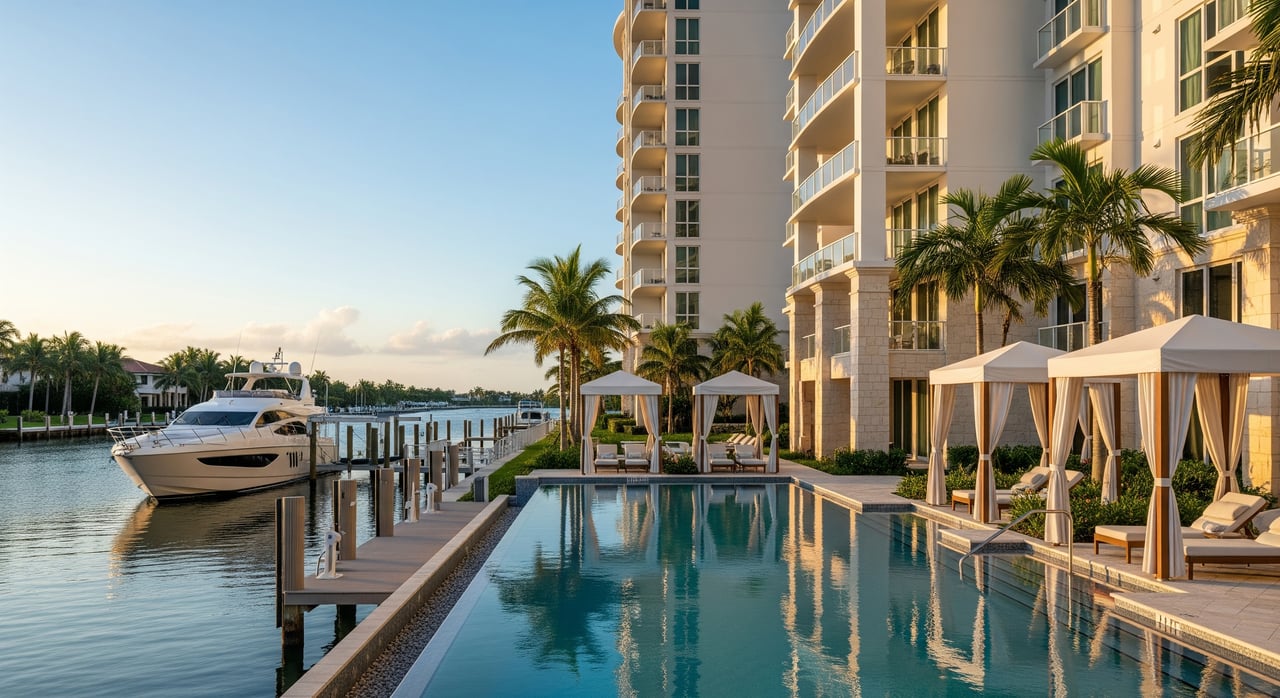
- Compare amenity levels carefully. Newer luxury communities may post higher dues, but often have current reserve studies and professional management practices that support long-term stability.
- Validate flood risk and flood policy status. Use the FEMA Flood Map Service Center and confirm whether the association carries a flood policy or if you need your own.
Ready to evaluate a specific building or compare options across Jupiter and Northern Palm Beach County? Let’s make the numbers and the lifestyle work together. Schedule a consultation with George M Richetelli for local, condo-savvy guidance tailored to your goals.
FAQs
What do Jupiter condo HOA fees usually include?
- Most dues cover management and staffing, common-area utilities and upkeep, insurance for the association, reserve funding, and any included unit utilities or amenities.
How do Florida hurricane deductibles affect my costs?
- Many master policies use percentage-based wind deductibles; after a storm, the association may need to fund a large deductible, which can result in a special assessment if reserves are short.
What HOA documents should I review before making an offer?
- Ask for the current budget, recent financials, reserve study and balances, board minutes, insurance certificates, bylaws and rules, assessment history, delinquency reports, engineering reports, and the estoppel.
Where can I check a building’s flood risk in Jupiter?
Who can help me interpret HOA financials and reports?
- A Florida condo attorney, a CPA familiar with HOA budgets, an insurance broker, and an experienced local agent can translate the findings and advise on risk and negotiation.