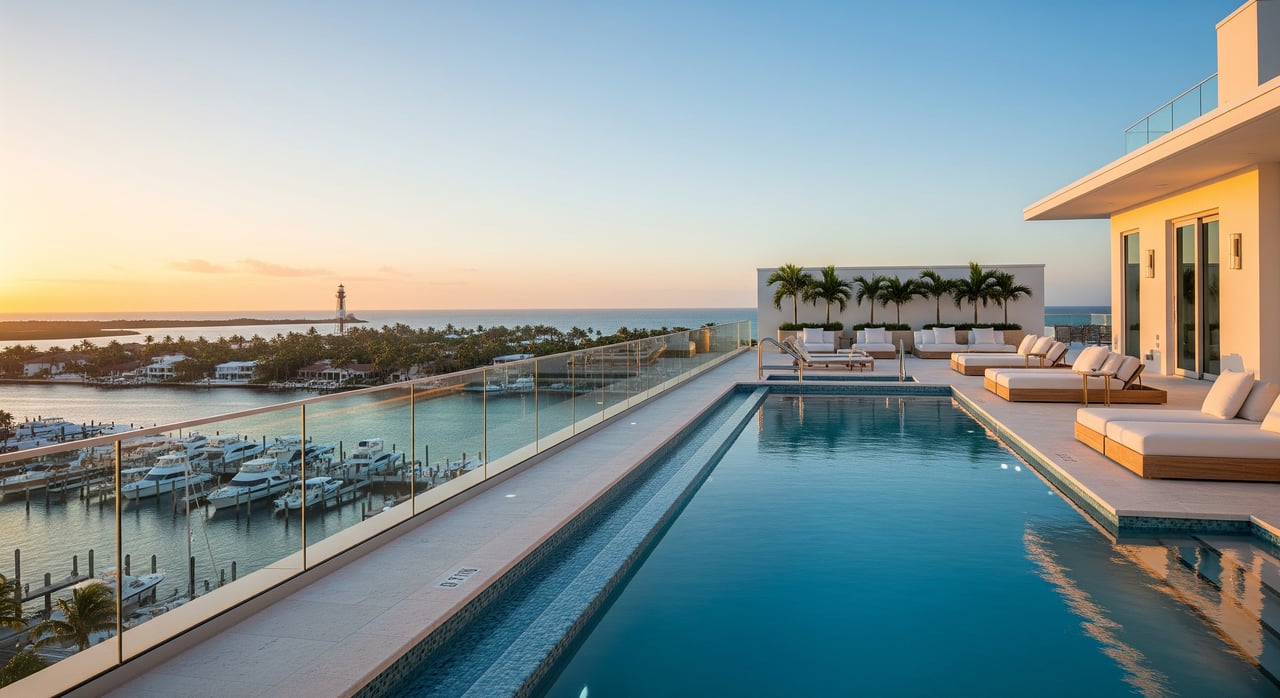
Jupiter vs Tequesta Condos: Compare Amenities & Access
January 22, 2026
January 22, 2026
Choosing between Jupiter and Tequesta condos can feel like picking between two great versions of the coastal lifestyle. You might want quick beach access, full-service amenities, and lively options. Or you may prefer quieter streets with river views and simple, low-maintenance living. In this guide, you will see a clear comparison of amenities, fees, and access so you can choose with confidence. Let’s dive in.
Jupiter and Tequesta sit side by side in northern Palm Beach County. Jupiter is larger, with more condo buildings and a wider range of styles. You find oceanfront options, inlet-facing towers, and mid-rise communities close to beaches and marinas. The vibe supports a resort-like lifestyle with plenty of activity.
Tequesta is a smaller village just north of Jupiter. It offers fewer condo buildings and lower overall density. Many communities sit along the Loxahatchee River or Intracoastal, and daily life feels a bit quieter. You still enjoy easy access to Jupiter’s beaches and restaurants within a short drive.
If you want beach proximity and broader amenities, Jupiter typically fits well. If you prefer a low-key village setting with river access and simpler operations, Tequesta is worth a look.
In Jupiter, you see a mix of high-rise waterfront towers, mid-rise buildings, and garden-style or townhouse condos. High-rises near the ocean or inlet often include elevator access, covered parking, and full amenity packages. Mid-rise and garden communities add variety for different budgets and maintenance preferences.
Tequesta has fewer high-rises and more low to mid-rise communities. Many sit on river or Intracoastal frontage. Buildings across both towns range from mid-century to new construction. Age matters because older buildings may face larger capital projects and reserve needs.
In Jupiter’s higher-end buildings, typical amenities include private or deeded beach access, multiple pools, fitness centers, social rooms, on-site management, covered parking, and in some cases a marina or slip access. Some larger developments feel like full-service resorts with gated entries and robust staffing.
In Tequesta, amenities lean residential and practical. Expect community pools, clubhouses, fitness rooms, and in many riverfront communities, access to docks or slips. You may find fewer concierge-style services and smaller common areas, which can help keep operating costs simpler.
Several factors shape monthly HOA dues in both towns:
In this submarket, monthly HOA fees commonly span from several hundred dollars for smaller, low-amenity garden units to well over $1,000 per month for luxury high-rise units with extensive amenities and marina services. Waterfront and full-service buildings tend to sit at the upper end of the spectrum. Always review the current budget and HOA questionnaire for precise figures.
Many older Florida buildings have needed major projects. Recent attention statewide has increased scrutiny of reserves. When you evaluate a building, request the latest reserve study, 12 months of meeting minutes, and a list of any pending or recent special assessments. These documents help you understand total ownership cost beyond the purchase price.
Florida’s coastal market has seen pressure on master insurance premiums and changes in coverage terms. You may encounter higher wind deductibles, flood coverage nuances for ground-level or low-elevation units, and shifting premiums year to year. Ask the association for current policy declarations and speak with a local insurance professional early.
Jupiter features multiple public beaches and oceanfront condo options, plus proximity to the Jupiter Inlet. Many buildings market direct sand access or short walks to the beach. If daily sunrise walks are a must, Jupiter puts you closer to the action.
Tequesta has limited direct ocean frontage. Most water access is along the Loxahatchee River and Intracoastal, with beaches a short drive south into Jupiter or Juno Beach. This suits buyers who prefer protected water views and a quieter pace while staying close to the coast.
Jupiter’s inlet is the main ocean channel in the area, a draw for sport fishing and quick offshore access. Some Jupiter communities are within walking distance of marinas and inlet activity. Boaters who prioritize fast ocean access often focus on these locations.
Tequesta’s river and Intracoastal frontage offers protected water boating and direct routes to the inlet in many cases. Navigation can be tighter than ocean-facing slips, and dredging or tidal considerations matter. Some communities include private docks or offer slips by waitlist or separate fee.
Day to day, Jupiter feels busier, with more buildings, restaurants, and beach traffic, especially in season. You benefit from a bigger amenity footprint and more choices within a few minutes of home. In high-rise or resort-style buildings, you will likely see more guests and seasonal residents.
Tequesta offers quieter streets and smaller-scale communities. The pace feels residential, and you may find simpler building rules and operations. River sunsets and low-key clubhouse gatherings often replace a high-energy beach scene.
Both locations provide access to shopping, parks, and services. Your choice comes down to how much you value the resort feel versus a low-maintenance village setting.
Local rules and HOA documents govern rentals. Some associations in both towns allow seasonal or longer-term rentals while others restrict short stays. Always check municipal guidelines and the specific building’s rental policy before you plan for income or personal use.
Lenders review an association’s reserves, owner-occupancy mix, delinquencies, and litigation before approving mortgages. Some coastal condos with weak reserves or extensive investor concentration may be considered non-warrantable, which limits loan options. Work with your lender early and secure the association’s questionnaire to avoid surprises.
Active litigation, low reserves, or frequent special assessments can affect resale and financing. Ask for governing documents, budgets, reserve studies, and meeting minutes. A well-governed association with transparent records is a positive signal.
| Factor | Jupiter | Tequesta |
|---|---|---|
| Typical condo types | Mix of oceanfront high-rises, mid-rise, and garden condos | Mostly low to mid-rise, river and Intracoastal frontage |
| Amenity profile | Full-service options with pools, gyms, staffed entries, covered parking, some marinas | Residential scale amenities, pools and clubhouses, some communities with docks or slips |
| HOA fee drivers | Larger buildings, more amenities, and marina operations increase dues | Lower density and simpler amenities can reduce dues |
| Beach access | Multiple public beaches and oceanfront buildings, quick sand access | Beach access typically a short drive south into Jupiter or Juno Beach |
| Boating access | Close to Jupiter Inlet for fast ocean access | Protected river/Intracoastal boating with inlet access in many cases |
| Density and pace | Livelier, more seasonal activity near beaches and inlet | Quieter village feel with residential streets |
| Inventory breadth | Broader price bands and more buildings to choose from | Smaller supply, tighter competition for select properties |
| Rental posture | Varies by HOA, more seasonal activity in some areas | Varies by HOA, often geared to residential use |
| Insurance considerations | Coastal exposure can influence wind and flood costs | River/Intracoastal exposure, dredging and dock factors may apply |
| Who tends to choose | Buyers seeking a resort-like lifestyle and beach proximity | Buyers seeking low-key living close to Jupiter amenities |
Use this list to compare specific buildings and reduce surprises:
You deserve a smooth path to the right condo. With deep local roots, market-by-market insight, and modern tools, you get clear guidance on amenities, fees, access, and long-term ownership costs. Whether you are targeting a luxury oceanfront tower in Jupiter or a low-density riverfront condo in Tequesta, you receive practical advice plus concierge-level support to prepare, purchase, and enjoy your property.
If you are weighing lifestyle and investment goals, you will benefit from a local, detail-driven approach that filters buildings by reserve health, insurance posture, rental policy, and boating features. When you are ready to compare specific communities and narrow to your best options, connect with George M Richetelli to schedule a consultation.
Stay up to date on the latest real estate trends.



Real estate done with purpose—rooted in experience, empathy, and authentic connection. Every client is treated like a neighbor, with thoughtful guidance and local insight shaping every step toward home.
TRUSTED PROPERTY ADVISORS

The Richetelli Group
5370 Donald Ross Rd Palm Beach Gardens FL 33418