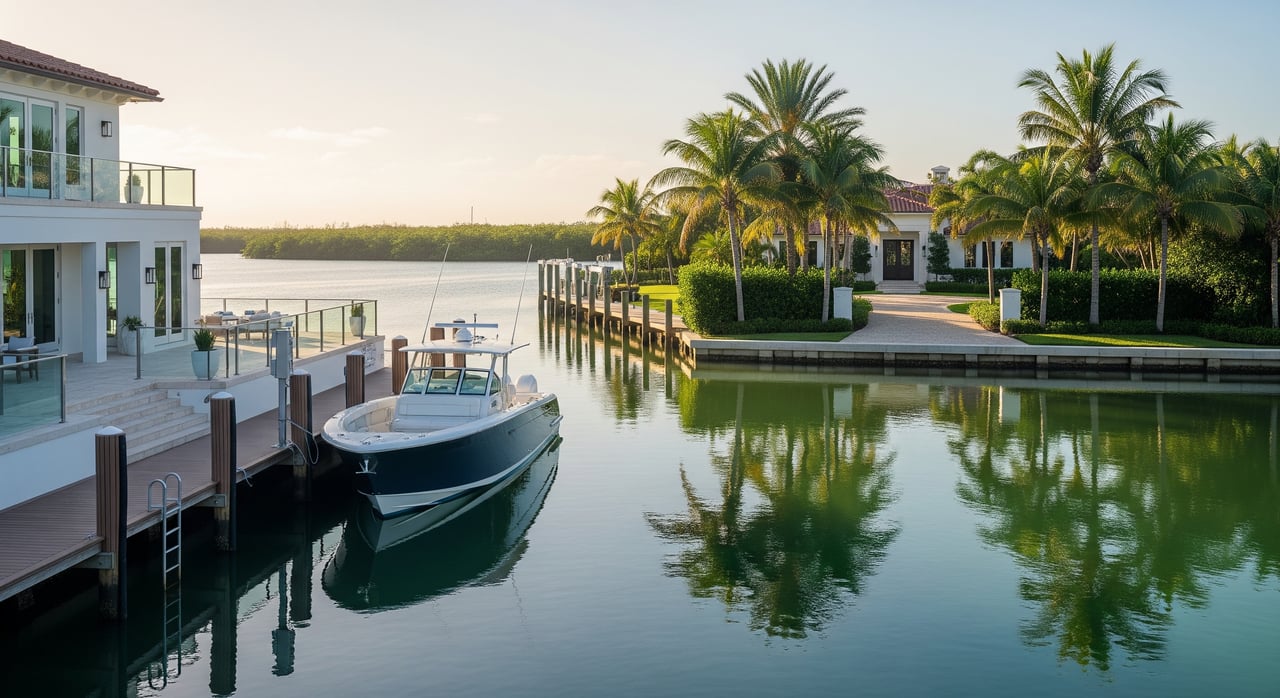
Hobe Sound Waterfront Vs Inland Homes
February 12, 2026
February 12, 2026
Wondering if a Hobe Sound waterfront home is worth the premium, or if an inland property is the smarter move? You are not alone. The choice shapes your purchase price, insurance costs, maintenance needs, and daily lifestyle. This guide compares both paths so you can match your goals, budget, and risk comfort to the right property. Let’s dive in.
Waterfront homes in Hobe Sound usually command a premium because of direct water access, views, and dock rights. The size of that premium depends on the setting. Oceanfront typically tops the market, followed by Intracoastal, then canal and marsh-front lots.
Price ranges vary widely. You will see modest canal-front homes and condos on one end and high-end oceanfront estates near Jupiter Island on the other. Inland homes and condos tend to offer lower entry prices and a broader buyer pool, which can help with liquidity when you sell.
If you are price sensitive, consider a canal-front property or an inland home close to beaches and marinas. If you value exclusivity and views most, focus on oceanfront or Intracoastal, but expect higher carrying costs and a more targeted resale audience.
Many waterfront properties fall within FEMA Special Flood Hazard Areas. Lenders typically require flood insurance for zones that start with A or V. Even inland homes outside these zones may benefit from coverage depending on elevation and drainage.
Coastal homes often face higher homeowners insurance premiums and named-storm deductibles. Market conditions change by carrier and risk profile. In some cases, owners turn to Citizens, Florida’s insurer of last resort, when private coverage is limited.
Plan for the long term. Sea-level rise and storm surge risk affect oceanfront and low-lying Intracoastal areas more than inland neighborhoods. Factor elevation, drainage, and local mitigation into your decision, especially if you intend to hold for many years.
Waterfront ownership brings unique systems to maintain. Seawalls, shoreline stabilization, docks, pilings, and boat lifts require periodic inspections, permits for work, and occasional replacement. These are large, infrequent costs that you should budget for over time.
Salt air accelerates wear on exterior materials, windows, doors, HVAC, and electrical components. Expect shorter lifespans and more frequent upkeep compared with inland properties. Choose corrosion-resistant materials and keep up with preventative maintenance.
Condo and HOA fees often cover exterior maintenance, master insurance, and sometimes seawall or shoreline elements. That reduces hands-on work but adds recurring costs and the possibility of special assessments. Review reserves, recent capital projects, and rental policies before you buy. For single-family waterfront, the owner usually bears full responsibility for seawalls, docks, and yards.
Waterfront homes can command higher short-term and seasonal rents, especially with private docks. Net yields often tighten due to insurance, maintenance, and management costs. Inland properties can produce steadier cash flow with lower risk-adjusted expenses.
If you plan to rent, confirm HOA rules, minimum lease terms, and any local requirements. Consider your holding period and exit strategy. Waterfront can preserve value in prime locations, but the buyer pool is more specialized. Inland homes attract a broader set of end users and investors.
Use this quick list to compare properties and reduce surprises before you write an offer.
Every property has a unique risk, cost, and lifestyle profile. The best fit depends on how you trade off water access, budget, maintenance tolerance, and long-term plans. A focused search with informed due diligence can help you capture the coastal lifestyle you want without overextending on risk.
If you are ready to compare specific Hobe Sound waterfront and inland homes, let’s map your goals, insurance comfort, and budget to a shortlist you will love. Schedule a consultation with George M Richetelli for neighborhood-level insight, tailored comps, and a clear plan from first tour to closing.
Stay up to date on the latest real estate trends.

Real estate done with purpose—rooted in experience, empathy, and authentic connection. Every client is treated like a neighbor, with thoughtful guidance and local insight shaping every step toward home.
TRUSTED PROPERTY ADVISORS

The Richetelli Group
5370 Donald Ross Rd Palm Beach Gardens FL 33418