Hobe Sound Waterfront Living: A Buyer’s Guide
January 1, 2026
January 1, 2026
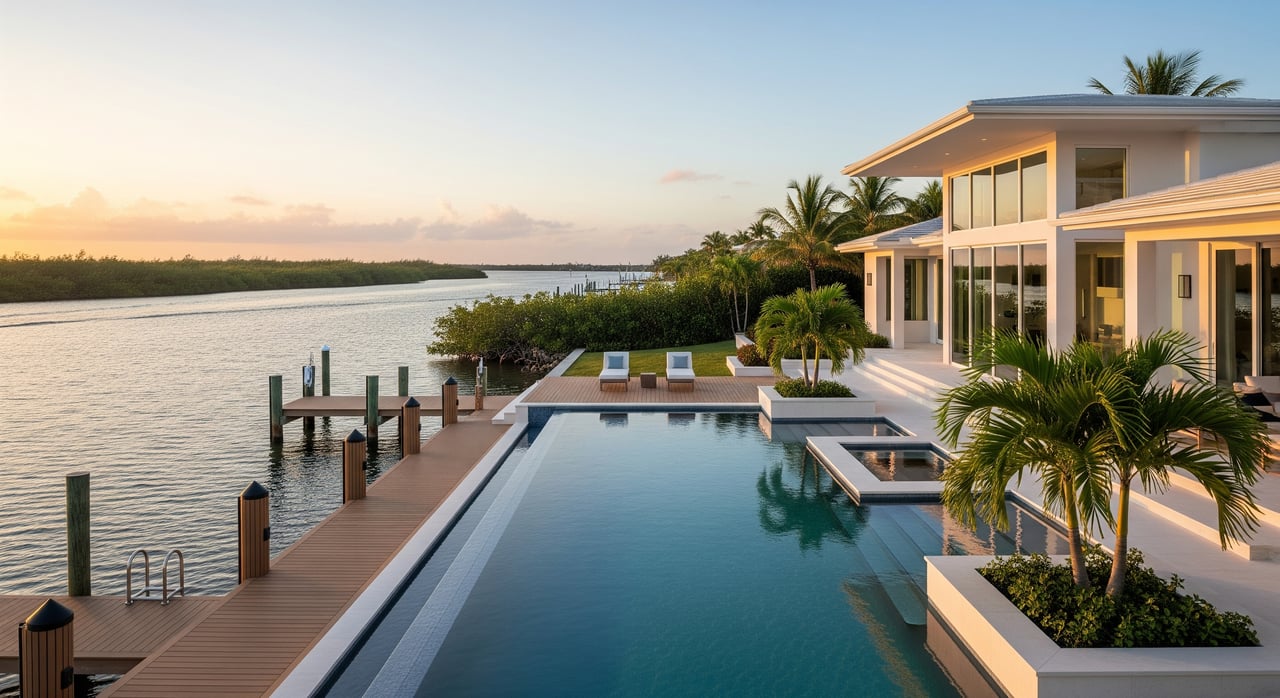
Imagine stepping out your back door to calm canal views or watching boats glide along the Intracoastal with your morning coffee. If you are comparing Hobe Sound condos with marina access, single‑family homes with private docks, or true beachfront living, the choices can feel overwhelming. You want the right mix of lifestyle, access, cost, and responsibility. This guide breaks down what to expect, the tradeoffs between canal, Intracoastal, and beachfront, and the due diligence that protects your investment. Let’s dive in.
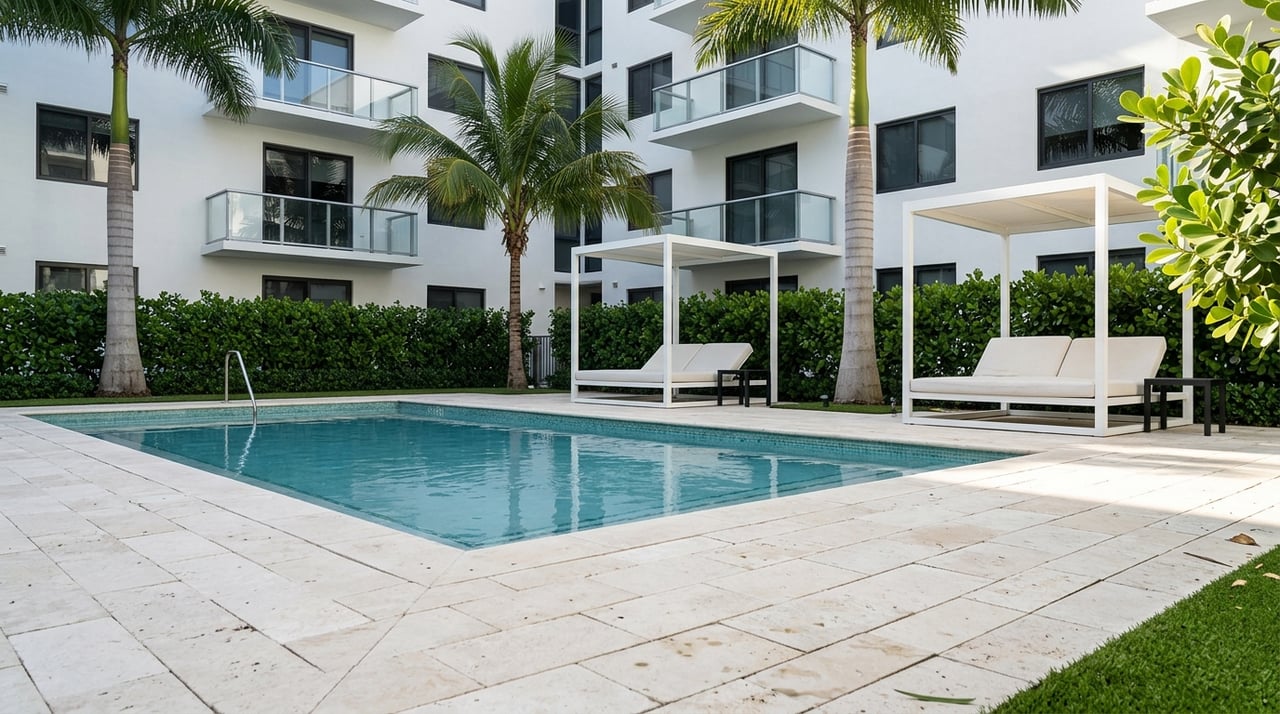
Waterfront and water‑adjacent condo communities often include shared docks or a community marina, plus amenities like pools and clubhouses. Day‑to‑day maintenance is lighter, and many second‑home owners like the lock‑and‑leave ease. Monthly fees are predictable and may cover dock upkeep.
There are important tradeoffs. HOA rules often set boat size limits, rental frequency, guest use, and whether you can live aboard a vessel. Ownership of slips may be handled as an assigned license or lease rather than deeded real property. You will also want to review special assessment history, since storms can drive big repairs.
If you prefer more control, a single‑family home on a canal or the Intracoastal Waterway can give you a private dock and the freedom to tailor your setup. This can be ideal if you plan to keep a larger boat or customize a boatlift, decking, or power.
That control comes with responsibility. You are generally on the hook for permits, construction, insurance, and ongoing maintenance for docks and seawalls. Depth and tidal changes can limit access, especially in smaller canals, and repairs after storms can be significant. Many projects that affect submerged lands, seagrass, or mangroves trigger county, state, and sometimes federal approvals.
Canal waterfront typically offers calmer water and a relaxed feel for small powerboats, kayaks, and paddleboards. Canal width and depth vary, and some canals have low bridges or tight turning. Always verify usable depth at low tide if you plan to keep a boat at the dock.
Intracoastal frontage sits on a marked, navigable channel that usually supports larger vessels and faster access to area inlets. It is a strong match if you want straightforward navigation to offshore waters without trailering. Expect more boat traffic and wake compared to a quiet canal.
Beachfront living is all about sand and surf. You get immediate beach access and a different daily rhythm, but beachfront homes do not necessarily include dockage. Owners who also boat often pair beachfront living with a nearby slip in a marina or a secondary property with a dock.
Boaters in Hobe Sound commonly run the Intracoastal Waterway to reach nearby inlets, with Jupiter Inlet being a well‑used option for ocean access. Channel depths, shoaling, and markers change over time, so the best information comes from local marinas and navigation notices. Bridge clearances and opening schedules also shape boat selection and trip timing, especially if you run a tall vessel.
For the most accurate, current picture, rely on navigation advisories and charts, and confirm data before planning a route or buying a boat that pushes clearance limits.
Your vessel’s length overall, beam, and draft need to match slip size and depth at mean low water. Tides matter, and some community docks cap boat length regardless of water depth. Community and full‑service marinas may offer shore power, potable water, pump‑out, fuel, and haul‑out or repair services. Private residential docks typically do not offer fueling or haul‑out.
Security and access vary. Gated marinas and communities may restrict guest use or trailered launching. Many HOAs and marinas limit or prohibit living aboard, so confirm rules early if that is part of your plan.
The Hobe Sound area supports inshore fishing, sandbar days, paddle sports, snorkeling in calmer conditions, and serious nearshore or offshore fishing when weather allows. Winter draws more boaters, while hurricane season shapes marina operations and prep routines. Florida boating laws set operator requirements, mandatory safety gear, and speed and no‑wake zones. Expect enforcement and plan to boat responsibly.
Waterfront work usually involves multiple jurisdictions. In Martin County, common approvals cover docks, pilings, seawalls, and boatlifts. If work affects submerged lands, mangroves, wetlands, or seagrass, state and sometimes federal permits can apply. Activities like mangrove trimming, dredging, and bulkhead work are regulated and may require mitigation.
Before you buy or modify a property, confirm past permits and code compliance, and ask whether there are any pending violations. This will help you avoid surprises and keep timelines realistic.
Many waterfront parcels fall within FEMA flood zones such as AE, VE, or coastal A. Lenders typically require flood insurance in these zones, and premiums depend on elevation, building details, and coverage. You should obtain the property’s Flood Insurance Rate Map zone and, if available, an elevation certificate.
You will also want quotes for homeowners coverage and windstorm or hurricane coverage. Deductibles for named storms are common in Florida. Features like elevated construction, shutters, and roof straps can reduce premiums through mitigation credits.
Docks, pilings, and seawalls have finite lifespans and may require repair or replacement, especially after severe weather. Electrical on docks, boatlifts, and decking all require proper permitting and inspections. Costs vary widely based on materials and design.
If you buy into a condo or planned community, look closely at HOA financials, reserve studies, and special assessment history. A healthy reserve and clear maintenance plan for docks and bulkheads add confidence.
Hobe Sound Beach Park offers public beach access and a laid‑back shoreline experience. Nearby Jonathan Dickinson State Park provides paddling, boating, hiking, and camping options that pair naturally with a waterfront lifestyle. Hobe Sound has a small‑town coastal feel, while larger retail, hospitals, and airports are in nearby population centers. Consider your preferred drive times for everyday services.
Second‑home buyers often value low‑maintenance condos with managed dock access, predictable fees, and easy lock‑and‑leave routines. Full‑time residents may favor private docks, more storage, and elevated resilience features, along with proximity to daily needs. Rental rules vary by community, so confirm local ordinances and HOA policies if seasonal renting is part of your plan.
Storm preparedness is part of coastal ownership. You will want a plan to secure your boat, relocate it if required, and protect your home. Many marinas publish hurricane policies that include special procedures and rates for storm prep. At the property level, know your elevation, surge risks, evacuation routes, and how shutters and roof systems are secured.
Use this quick checklist before writing an offer:
If you want a low‑maintenance lifestyle with shared amenities, a waterfront condo with managed dock access can be a great fit. If control and customization matter most, a canal or Intracoastal single‑family home with a private dock offers flexibility with added responsibility. If beach walks and ocean views top your list, beachfront living delivers that experience, and you can pair it with marina slip access for boating.
Whatever you choose, the best outcomes come from clear due diligence on permits, flood zones and insurance, dock rights, and real‑world navigation. When you get those pieces right, you can enjoy the water with confidence.
Ready to compare specific Hobe Sound options and line up inspections, permits, and insurance steps the right way? Schedule a consultation with George M Richetelli for local guidance that fits your goals.
Stay up to date on the latest real estate trends.
Real estate done with purpose—rooted in experience, empathy, and authentic connection. Every client is treated like a neighbor, with thoughtful guidance and local insight shaping every step toward home.
TRUSTED PROPERTY ADVISORS

The Richetelli Group
5370 Donald Ross Rd Palm Beach Gardens FL 33418